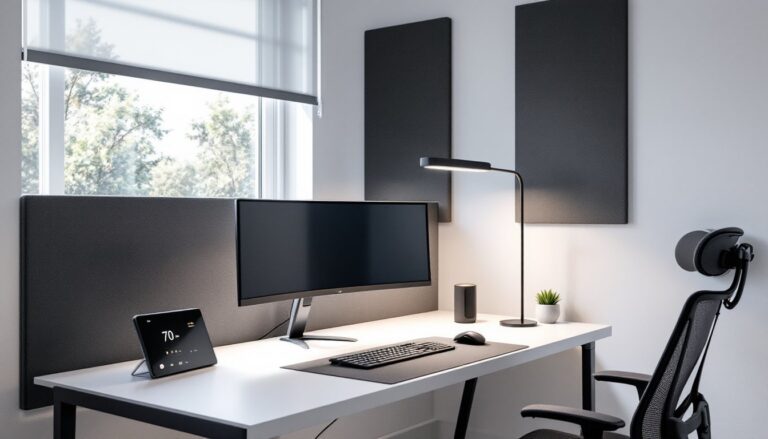
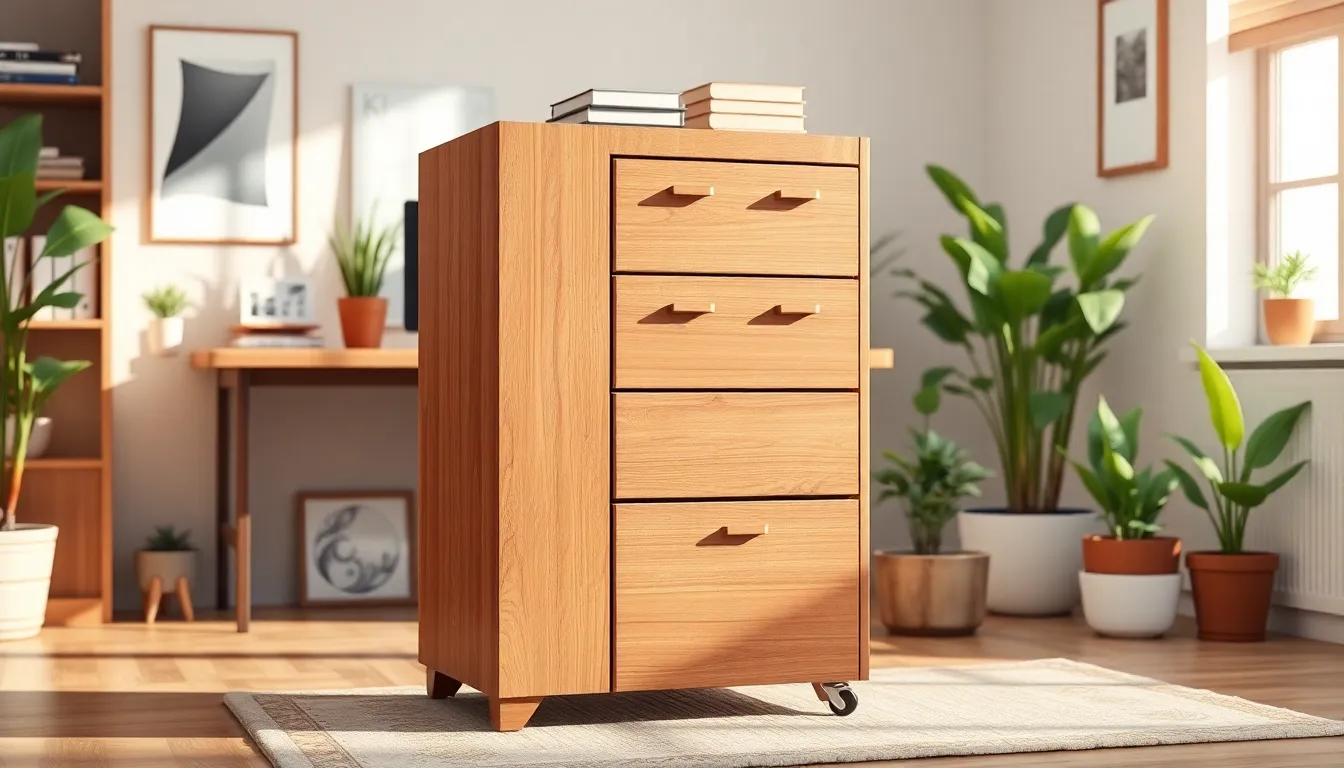
In the chaotic world of remote work, a trusty file cabinet can be the unsung hero of the home office. Picture this: papers are flying around like confetti, and important documents are playing hide-and-seek. A good file cabinet doesn’t just organize—it transforms your workspace from a cluttered battlefield into a serene oasis of productivity.
With so many styles and sizes, finding the right file cabinet can feel like searching for a needle in a haystack. But fear not! The perfect cabinet is out there, ready to bring order to the chaos and maybe even a smile to your face. After all, who wouldn’t want to open a drawer and find their documents neatly tucked away instead of playing a game of “Where’s Waldo?” Let’s dive into the world of file cabinets and discover how they can elevate your home office game.
Table of Contents
ToggleBenefits Of Using A File Cabinet For Home Office
Using a file cabinet enhances home office organization. The benefits of streamlined document storage can’t be overstated.
Organizational Efficiency
Organizational efficiency increases with a dedicated file cabinet. Having a designated space for important papers prevents clutter, leading to a cleaner workspace. Paperwork becomes easy to find, which saves time. Proper categorization of files, such as bills, contracts, and reports, simplifies retrieval. Efficiently compartmentalizing documents fosters a more productive environment. More focus on tasks occurs when distractions are minimized.
Space Optimization
Space optimization plays a vital role in effective home office setups. File cabinets contribute to better use of vertical space, maximizing storage potential. Compact designs fit seamlessly into corners or under desks, reducing floor clutter. With various styles available, customization to match office décor is achievable. Using a file cabinet avoids stacking papers on desks, creating a more inviting workspace. Less visual clutter leads to enhanced concentration and creative flow.
Types Of File Cabinets
File cabinets come in various styles, each catering to different organizational needs. Understanding these types helps in selecting the most suitable cabinet for a home office.
Vertical File Cabinets
Vertical file cabinets stand tall, often fitting into tight spaces efficiently. These cabinets typically feature drawers that pull out horizontally, accommodating standard letter-size documents. They may come with two to five drawers, offering flexibility in file organization. These cabinets often work well for smaller home offices where space conservation is essential. Additionally, vertical file cabinets are frequently designed to be stackable, further maximizing vertical storage potential.
Lateral File Cabinets
Lateral file cabinets provide wider drawers, making them ideal for handling larger documents or files. Drawers extend out sideways, allowing easy access to files without needing to pull out the entire drawer. These cabinets often accommodate letter and legal-size documents, providing versatility in storage. A typical lateral file cabinet might have two to four drawers, making them suitable for extensive document collections. Furthermore, their design allows them to double as a surface for decorative items or additional workspace.
Choosing The Right File Cabinet
Selecting the appropriate file cabinet enhances organization and efficiency in a home office. Various factors influence the choice, including size and material.
Size Considerations
Size plays a critical role when choosing a file cabinet. Assessing available space ensures the cabinet fits comfortably without overwhelming the room. Cabinets come in various heights, widths, and depths. A smaller vertical cabinet suits tight spaces. In contrast, wider lateral cabinets provide more drawer space for larger collections. A dimension check of documents helps determine specific drawer requirements. Opting for a stackable model maximizes vertical storage in compact areas, allowing for effective utilization of limited floor space. Finally, considering the cabinet’s location ensures ease of access during daily tasks.
Material Options
Material impacts durability and aesthetics significantly. Metal cabinets often provide robust security and endure wear from daily use. On the other hand, wooden cabinets offer warmth and blend seamlessly with existing furniture. Laminate surfaces present affordability alongside stylish finishes. Each material type affects overall weight and stability. Metal models tend to be heavier, while wooden designs can be lighter, depending on construction. Also, it’s essential to consider whether materials may match or enhance existing office décor. Selecting the right material reinforces the cabinet’s functional and visual role in the workspace.
Tips For Organizing Your File Cabinet
Organizing a file cabinet enhances efficiency and reduces clutter. Implementing strong organization strategies transforms a workspace.
Labeling Files
Accurate labeling provides quick access to documents. Use clear, consistent labels that denote the content type. Specific labels, like “Invoices” or “Reports,” aid in immediate recognition. Consider color-coding for easy visual sorting, allowing for faster retrieval. Ensure labels are durable to withstand frequent use, and maintain uniformity across all files. A well-labeled system prevents confusion and streamlines workflow.
Categorizing Documents
Effective categorization is key to a tidy file cabinet. First, sort documents into broad categories such as “Financial,” “Client,” or “Projects.” Next, create subcategories for more granularity, using sections like “Taxes” within the Financial category. Grouping analogous documents improves findability while minimizing distractions. Regularly review and update categories to accommodate new documents. This ongoing refinement keeps the filing system relevant and manageable, ensuring an organized office environment.
A well-chosen file cabinet can significantly enhance a home office’s functionality and aesthetics. By providing an organized space for important documents it not only reduces clutter but also streamlines productivity. With various styles and sizes available there’s a perfect option for every workspace.
Investing time in selecting the right cabinet tailored to individual needs will pay off in the long run. Proper organization techniques further amplify its benefits ensuring easy access to files and a more focused work environment. Embracing these strategies transforms any home office into a serene and efficient workspace where creativity and productivity can thrive.