

In today’s world, home air quality is more important than ever. With many people spending up to 90% of their time indoors, the air they breathe can significantly impact their health and well-being. Poor air quality can lead to a range of issues, from respiratory problems to allergies and even long-term health conditions.
Understanding the factors that affect indoor air quality is crucial for creating a safe and healthy living environment. From pollutants like dust and mold to volatile organic compounds emitted by household products, these unseen threats can compromise the air in homes. By taking proactive steps to improve air quality, individuals can enhance their overall quality of life and promote a healthier home for themselves and their families.
Understanding Home Air Quality
Home air quality refers to the condition of the air inside living spaces and its impact on health and comfort. Maintaining high air quality is essential, as individuals often spend up to 90% of their time indoors.
What Is Home Air Quality?
Home air quality encompasses the levels of pollutants, allergens, and other substances present in indoor air. Common indoor air contaminants include:
- Dust: Accumulates from various sources and can harbor allergens.
- Mold: Grows in damp areas and releases spores that can trigger respiratory issues.
- Volatile Organic Compounds (VOCs): Emitted by household products such as paints and cleaners.
- Carbon Dioxide (CO2): Increased levels can indicate inadequate ventilation.
- Pesticides: Residues from pest control can linger in the air.
These pollutants can vary based on factors such as location, season, and daily activities.
Importance of Monitoring Air Quality at Home
Monitoring air quality at home is crucial for several reasons:
- Health Protection: Regular assessments can prevent respiratory problems, skin irritations, and allergic reactions.
- Preventive Measures: Identifying air quality issues enables immediate action to mitigate risks, such as improving ventilation or using air purifiers.
- Comfort: High air quality contributes to a more comfortable indoor environment, enhancing overall well-being.
- Awareness of Changes: Tracking air quality helps individuals recognize patterns and sources of pollution, encouraging proactive improvements.
Informed monitoring of air quality leads to healthier indoor environments, ultimately enhancing quality of life.
Common Indoor Air Pollutants
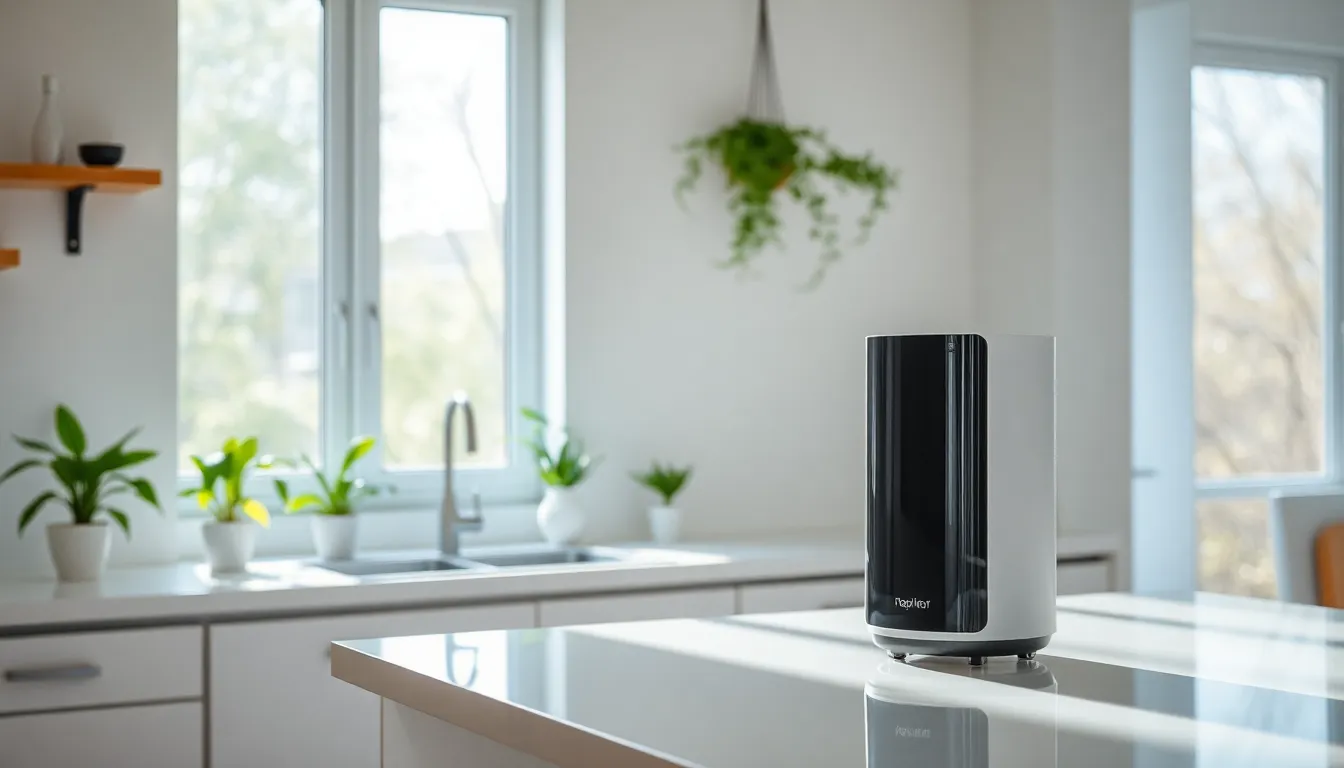
Indoor air pollutants significantly impact health and comfort. Understanding these pollutants helps in adopting measures to enhance air quality.
Sources of Indoor Air Pollution
- Dust: Accumulates from shedding skin cells, textiles, and furnishings. It often contains allergens from pets and plants.
- Mold: Thrives in damp areas, such as bathrooms and kitchens, and releases spores into the air. Mold can cause allergic reactions and respiratory problems.
- Volatile Organic Compounds (VOCs): Released from paints, cleaning products, and building materials. Examples include formaldehyde and benzene, which can irritate the eyes and throat and affect overall health.
- Carbon Dioxide (CO2): Builds up from breathing and the use of gas appliances. Elevated levels can lead to headaches and impaired cognitive function.
- Pesticide Residues: Lingering chemicals from insecticides and herbicides used indoors can pose health risks, particularly to vulnerable populations such as children and pets.
- Tobacco Smoke: Contains numerous harmful chemicals and can linger in indoor air long after smoking has ceased. Exposure raises the risk of respiratory illnesses and cancer.
Effects of Pollutants on Health
- Respiratory Issues: Pollutants can trigger asthma and exacerbate allergies. Symptoms include coughing, wheezing, and shortness of breath.
- Neurological Effects: Some pollutants, like VOCs and CO2, can impair cognitive function, leading to difficulties in concentration and decision-making.
- Skin Irritations: Certain chemicals and mold spores can cause rashes and skin allergies.
- Fatigue: Exposure to indoor air pollutants can contribute to chronic fatigue and reduced energy levels.
- Long-term Illnesses: Prolonged exposure to specific pollutants, such as tobacco smoke and VOCs, increases the risk of chronic conditions, including cancer and heart disease.
- Developmental Issues: For children, exposure to indoor air pollutants can lead to developmental delays and increased susceptibility to illness.
Measuring Home Air Quality
Measuring home air quality effectively identifies indoor contaminants and ensures a healthier living environment. Several tools and methods exist for monitoring air pollutants and interpreting the data.
Tools for Monitoring Air Quality
- Air Quality Monitors
Air quality monitors detect common pollutants such as VOCs, CO2, particulate matter (PM), and humidity levels. Some devices provide real-time readings and alerts for immediate action.
- DIY Testing Kits
DIY testing kits allow individuals to collect samples of air, surfaces, or dust to analyze for specific pollutants like mold spores or lead. These kits vary in complexity and cost.
- Smart Thermostats
Smart thermostats not only control temperature but also monitor indoor air quality. They can track humidity and CO2 levels, providing insights and recommendations for improvement.
- Portable Monitors
Portable air quality monitors offer flexibility and convenience. Users can measure air quality in different rooms or locations, facilitating targeted improvements wherever needed.
Interpreting Air Quality Data
- Understanding Readings
Knowing the acceptable limits for common pollutants helps interpret air quality data. The Environmental Protection Agency (EPA) provides guidelines for various substances.
- Identifying Patterns
Tracking air quality data over time reveals patterns, such as peaks during activities like cooking or cleaning. Recognizing these trends aids in implementing effective changes.
- Assessing Health Risks
Analyzing pollutant levels concerning individual health can inform necessary measures. For instance, elevated CO2 levels can signify insufficient ventilation, prompting ventilation improvements.
- Taking Action
Armed with the results, individuals can prioritize actions to enhance air quality, such as increasing ventilation, reducing pollutant sources, or investing in air purification systems.
Improving Home Air Quality
Improving home air quality involves several actionable strategies that enhance indoor environments. By adopting effective methods, individuals can reduce pollutants and promote healthier air.
Effective Ventilation Strategies
Effective ventilation strategies significantly reduce indoor air contaminants. Individuals can implement the following methods to enhance ventilation:
- Open Windows: Opening windows allows fresh air to circulate, decreasing indoor pollutant levels. It’s best to ventilate during low pollution hours, such as early mornings or late evenings.
- Exhaust Fans: Installing exhaust fans in kitchens and bathrooms helps eliminate moisture and odors. These fans can effectively reduce humidity, which prevents mold growth and air stagnation.
- Whole-House Ventilation Systems: Investing in whole-house ventilation systems ensures consistent air exchange. These systems can filter and bring in fresh air while expelling contaminated air.
- Natural Ventilation: Utilizing natural ventilation through architectural features like clerestory windows promotes airflow. Strategically placed windows and vents encourage cross-ventilation, enhancing overall air quality.
Using Air Purifiers and Filters
- HEPA Filters: High-efficiency particulate air (HEPA) filters capture particles as small as 0.3 micrometers. They efficiently remove allergens like dust mites, pollen, and pet dander from indoor air.
- Activated Carbon Filters: Activated carbon filters absorb volatile organic compounds (VOCs) and odors. These filters enhance indoor air quality by neutralizing harmful gases released from household products.
- Portable Air Purifiers: Portable air purifiers offer flexibility and can be placed in various rooms. They provide targeted air purification in bedrooms, living areas, or home offices.
- Regular Maintenance: Maintaining air purifiers and regularly replacing filters ensures optimal performance. Following manufacturer guidelines for cleaning and replacing filters maximizes air quality benefits.
Investing time and effort into improving home air quality can significantly enhance overall health and well-being. By understanding the sources of indoor pollutants and employing effective monitoring tools, individuals can take charge of their living environments. Simple actions like increasing ventilation and using air purifiers can lead to noticeable improvements.
Creating a healthier home is not just a personal benefit but also a step towards fostering a more comfortable and safe space for everyone. Prioritizing air quality is essential for long-term health and happiness, making it a worthwhile focus for every household.