

Creating a beautiful outdoor space isn’t just about planting a few flowers and mowing the lawn. It requires thoughtful landscaping plans that reflect personal style and enhance the property’s value. A well-designed landscape can transform any yard into a stunning retreat, offering a perfect blend of functionality and aesthetics.
Landscaping plans serve as a roadmap for homeowners looking to revitalize their gardens or yards. They provide a clear vision, guiding decisions on plant selection, layout, and features like patios or water elements. Whether starting from scratch or updating an existing design, a solid plan can make all the difference in achieving that dream outdoor oasis.
Understanding Landscaping Plans
Landscaping plans provide a clear blueprint for creating appealing outdoor spaces. They help homeowners articulate their visions while optimizing design and functionality.
What Are Landscaping Plans?
Landscaping plans are detailed diagrams outlining the layout and design of outdoor areas. They focus on elements like plant placement, hardscaping features, and water features. Plans may include specific details such as plant species, colors, and heights, ensuring cohesion throughout the landscape. They serve as essential tools for both DIY enthusiasts and professional landscapers, streamlining the construction or renovation process.
Importance of Landscaping Plans
Landscaping plans hold significant value for homeowners and contractors. They provide clarity on design intentions, minimizing confusion during installation. By evaluating factors like sunlight, soil conditions, and aesthetic goals, these plans enhance the success rate of plant growth and overall design execution. Additionally, structured plans help identify costs upfront, allowing for budget adherence in landscape projects. Lastly, they improve property value, as well-designed outdoor spaces often attract prospective buyers.
Elements of Effective Landscaping Plans
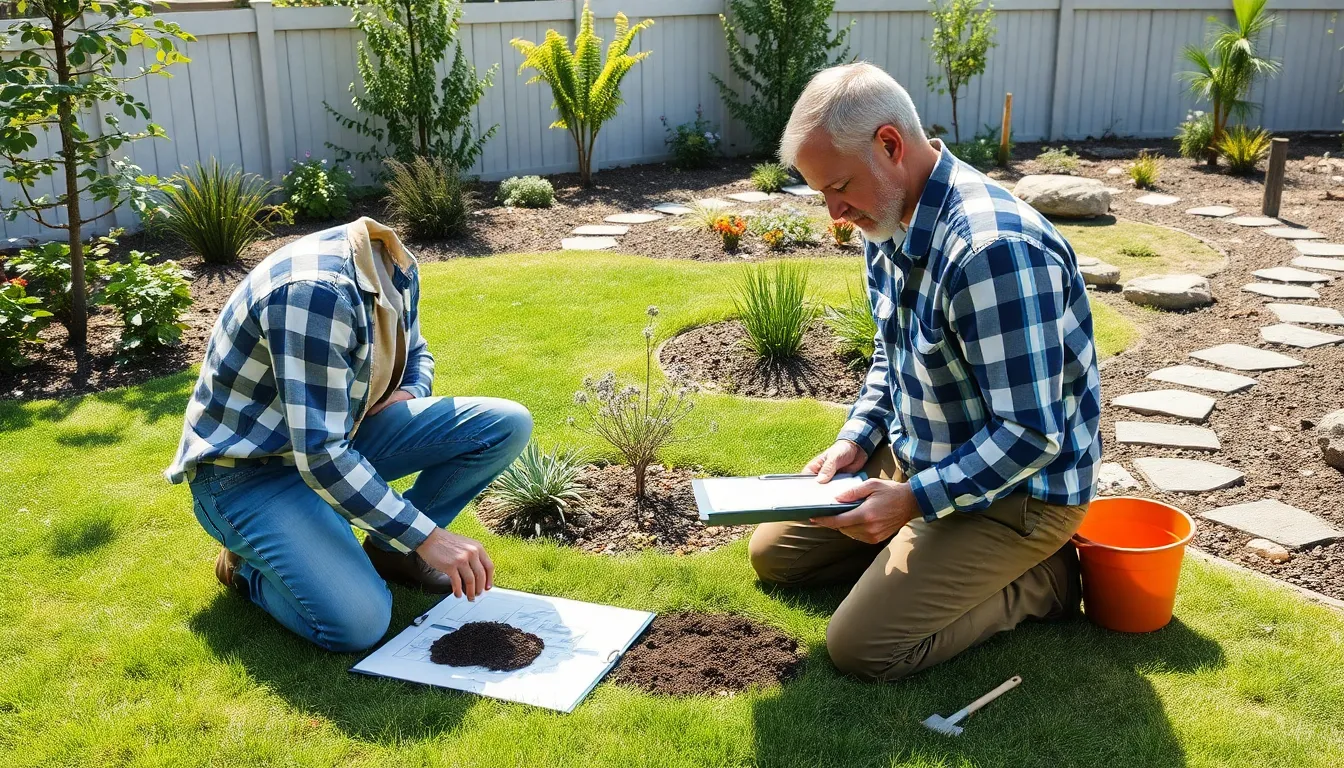
Effective landscaping plans incorporate several key elements, each contributing to a cohesive and functional outdoor space. These elements guide homeowners and professionals alike in creating visually appealing and sustainable landscapes.
Site Analysis
Site analysis involves evaluating the existing conditions of the landscape. This assessment includes examining soil quality, drainage patterns, sunlight exposure, and topography. Notable factors in site analysis are:
- Soil Type: Identifying soil composition aids in selecting compatible plants.
- Water Drainage: Understanding drainage helps prevent waterlogged areas and directs runoff.
- Sunlight Exposure: Noting sun and shade locations supports appropriate plant placement.
- Topography: Recognizing slopes and elevations informs the design of pathways and hardscaping features.
Conducting a thorough site analysis optimizes the planting strategies and addresses potential challenges early.
Design Concepts
Design concepts provide artistic direction to landscaping plans. These concepts establish a vision that aligns with personal style and property functionality. Key design aspects include:
- Theme Consistency: Employing a cohesive theme, such as formal, naturalistic, or minimalist, unifies various elements of the landscape.
- Functional Zones: Defining areas for activities, like relaxation or gardening, enhances usability.
- Flow and Accessibility: Establishing smooth transitions between different sections assures navigability and enhances the overall experience.
- Hardscaping Integration: Including patios, pathways, and retaining walls creates structure and balance.
Effective design concepts facilitate seamless integration of hardscaping and plant selections, ultimately leading to a visually pleasing outdoor space.
Plant Selection
Plant selection is crucial for creating a thriving landscape. Choosing the right plants ensures resiliency and aesthetics throughout the seasons. Important considerations in plant selection are:
- Hardiness Zones: Selecting plants suited for specific climate conditions enhances survival rates.
- Diversity: Integrating various plant species fosters biodiversity and creates visual interest.
- Growth Characteristics: Understanding mature size and growth habits helps avoid overcrowding and ensures proper spacing.
- Maintenance Requirements: Choosing low-maintenance plants reduces upkeep and preserves the landscape’s beauty over time.
Making informed plant selections contributes significantly to the longevity and appeal of the landscaping design.
Creating Your Own Landscaping Plans
Creating effective landscaping plans involves a series of structured steps that transform ideas into actionable designs. By following a clear process, homeowners can ensure that their outdoor spaces meet aesthetic goals and practical needs.
Steps to Create a Landscaping Plan
- Conduct a Site Analysis: Evaluate soil quality, drainage, sunlight exposure, and topography to understand the limitations and potential of the area.
- Establish Design Goals: Define objectives, such as enhancing curb appeal, creating recreational areas, or providing privacy, to guide the overall design direction.
- Develop a Design Concept: Create a rough sketch or layout that includes zones for planting, hardscaping, and additional features, ensuring theme consistency and flow.
- Select Appropriate Plants: Choose plants based on hardiness zones, maintenance needs, and desired visual effects. Opt for a diverse selection to achieve visual interest and support ecosystem health.
- Plan Hardscaping Elements: Integrate features like walkways, patios, and walls into the design to enhance functionality and aesthetic appeal.
- Draft a Detailed Plan: Create a scaled drawing that includes all elements, specifying plant placement, hardscape dimensions, and any water features. This detailed plan serves as a guide for execution.
- Estimate Costs: Identify and calculate material and labor costs based on the finalized plan to establish a realistic budget.
Tools and Resources
- Design Software: Utilize programs like SketchUp or Garden Planner to create digital versions of landscaping designs, allowing for easy modifications.
- Apps for Plant Identification: Use mobile applications to identify plants and assess their compatibility with design goals.
- Books on Landscaping: Consult literature that covers topics such as plant selection, design principles, and regional landscaping practices for expert guidance.
- Local Extension Services: Contact local agricultural extension offices for advice on native plants and best practices suited to specific climates.
- Online Forums: Engage in gardening and landscaping forums for insights and feedback from experienced DIY enthusiasts and professionals.
- Plant Nurseries and Garden Centers: Visit local nurseries for plant selection advice and to physically assess the growth habits and health of plants before purchase.
Common Mistakes in Landscaping Plans
Homeowners often make errors in their landscaping plans that can lead to increased costs, higher maintenance, or unsuccessful plant growth. Recognizing these common pitfalls can enhance the effectiveness of outdoor designs.
Overlooking Maintenance
Overlooking maintenance often results in landscapes that become unmanageable. Homeowners frequently choose plants without considering their growth habits, size, and maintenance needs. Selecting native or drought-resistant plants can minimize upkeep and enhance sustainability. Additionally, incorporating mulch and ground covers reduces weeds and conserves moisture, easing maintenance demands. Planning landscape layouts to include accessible paths for mowing and pruning ensures efficient upkeep.
Ignoring Climate Considerations
Ignoring climate considerations can compromise plant health and resilience. Homeowners should evaluate their USDA hardiness zone to select appropriate plants. Factors like average rainfall, sunlight exposure, and wind conditions influence plant selection and placement. Using climate-adapted plants not only promotes thriving landscapes but also reduces water and fertilizer reliance. Homeowners benefit from conducting soil tests to understand nutrient levels and drainage capabilities, optimizing plant performance.
Creating a successful landscaping plan is essential for anyone looking to enhance their outdoor space. By understanding the key elements like site analysis and plant selection homeowners can craft a design that not only reflects their style but also thrives in its environment. Utilizing available resources and tools streamlines the process and helps avoid common pitfalls.
A well-thought-out landscaping plan ultimately leads to a beautiful and functional outdoor retreat. It increases property value and attracts potential buyers while ensuring long-lasting enjoyment for the homeowner. Investing time and effort into this planning stage pays off in the long run, making every outdoor moment more rewarding.