
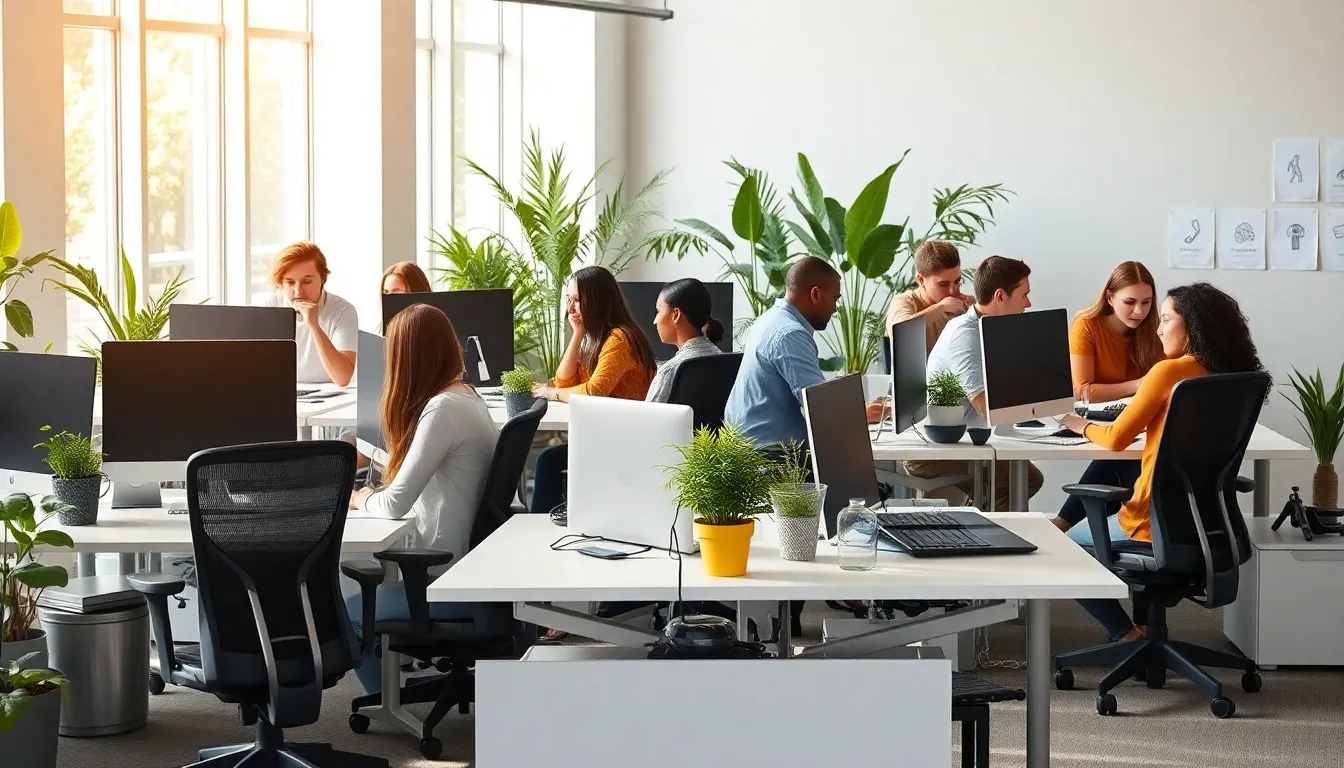
In today’s fast-paced work environment, the design of an office plays a crucial role in enhancing productivity and employee well-being. A thoughtfully designed workspace can inspire creativity, foster collaboration, and improve overall job satisfaction. With remote work on the rise, many companies are rethinking their office layouts to create inviting and functional spaces that cater to the needs of their teams.
From choosing the right furniture to optimizing lighting and color schemes, effective office design can transform a mundane workspace into a hub of innovation. By focusing on ergonomic solutions and flexible layouts, businesses can create an atmosphere that not only looks good but also supports the health and happiness of their employees. Let’s explore some essential tips to elevate office design and create a thriving work environment.
Understanding Office Design
Office design plays a critical role in shaping organizational culture and employee performance. Effective office environments boost productivity and enhance well-being.
Importance of Office Design
Office design impacts employee satisfaction and retention. A well-designed workspace encourages collaboration and creativity. Research shows that thoughtfully designed offices can increase productivity by up to 20%. Additionally, environments that prioritize comfort reduce stress and improve focus. Organizations benefit from lower absenteeism and higher job engagement when employees feel valued in their workspace.
Key Elements of Effective Office Design
- Furniture Selection: Choose ergonomic chairs, adjustable desks, and collaborative furniture to support diverse work styles.
- Lighting: Utilize natural light when possible, and opt for adjustable artificial lighting to accommodate various tasks and reduce eye strain.
- Color Schemes: Implement color psychology by using colors that promote calmness or creativity, depending on the desired atmosphere.
- Layout: Design an open layout with designated quiet areas to encourage teamwork while providing spaces for concentration.
- Acoustics: Incorporate sound-absorbing materials to minimize distractions and enhance communication in shared spaces.
- Technology Integration: Equip spaces with advanced technology for seamless collaboration and remote connectivity.
- Green Elements: Add plants and natural elements to promote air quality and enhance overall aesthetic appeal.
By focusing on these key elements, organizations can create functional, inviting, and productive workspaces that support their employees’ needs and goals.
Creating a Functional Workspace
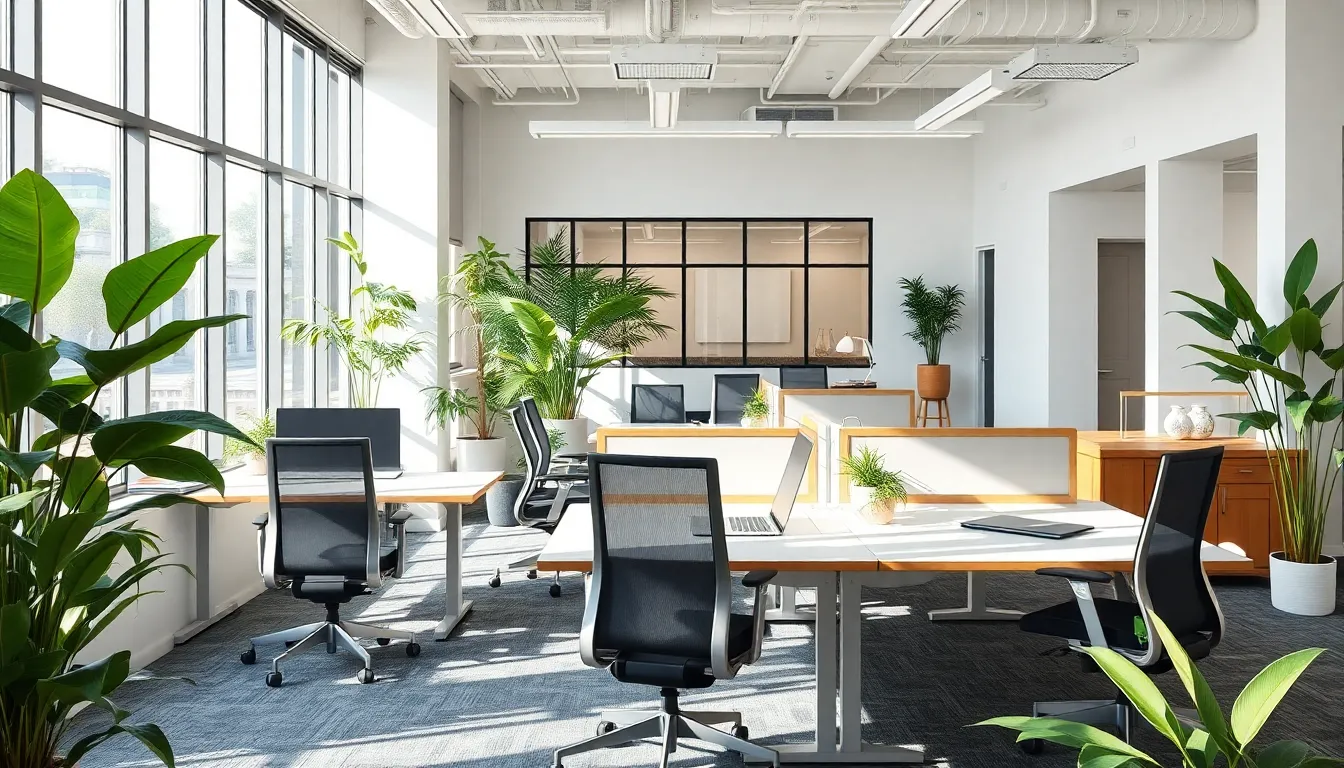
Creating a functional workspace revolves around enhancing comfort and efficiency. Prioritizing ergonomics and effective space planning contributes significantly to a productive environment.
Ergonomics in Office Design
Ergonomics plays a crucial role in office design by promoting employee health and comfort. Selecting ergonomic furniture, such as adjustable desks and supportive chairs, reduces strain and fatigue. Incorporating monitor stands ensures screens are at eye level, minimizing neck and back discomfort. Providing keyboard trays encourages natural hand positioning, preventing repetitive strain injuries.
Implementing an ergonomic layout involves strategically positioning tools and equipment within easy reach, allowing employees to work without excess movement. Encouraging regular breaks and movement throughout the day also supports physical well-being, fostering higher overall productivity.
Space Planning Strategies
Space planning strategies maximize an office’s potential while accommodating various work styles. Defining distinct areas for collaboration, focused work, and relaxation enhances workflow. Open layouts encourage teamwork, while designated quiet zones ensure concentration during tasks requiring deep focus.
Utilizing flexible furniture arrangements allows for adaptability; movable partitions create privacy when needed. Ensuring sufficient natural light boosts mood and energy, positively affecting performance. Incorporating greenery, such as plants, increases aesthetic appeal and improves air quality, contributing to a healthier workspace.
These strategies form the foundation of a well-organized and functional office that supports diverse employee needs and objectives.
Aesthetic Considerations
Aesthetic considerations in office design significantly impact employee mood, engagement, and productivity. Focusing on color psychology and lighting can create an inviting atmosphere that enhances overall functionality.
Color Psychology in the Office
Colors influence emotions and behavior in the workplace.
- Blue: Promotes calmness and focus, making it ideal for environments requiring concentration.
- Green: Evokes feelings of balance and harmony, often used to inspire creativity and reduce stress.
- Yellow: Stimulates optimism and energy, perfect for collaboration areas where brainstorming occurs.
- Red: Increases energy and urgency, useful in spaces needing motivation but should be applied sparingly.
Selecting the right colors fosters a positive work environment, encouraging employee satisfaction and interaction.
Lighting and Ambiance
Effective lighting enhances workplace productivity and comfort.
- Natural Light: Increases mood and energy, helping maintain a healthy circadian rhythm. Incorporating large windows or skylights maximizes exposure.
- Task Lighting: Offers focused illumination for specific work tasks, reducing eye strain and improving visibility.
- Ambient Lighting: Provides overall brightness, creating a warm environment. Using soft, adjustable fixtures can improve the workspace feel.
Prioritizing lighting types supports employee well-being, leading to enhanced focus and decreased fatigue.
Enhancing Collaboration
Enhancing collaboration in the workplace fosters teamwork and boosts creativity. Thoughtfully designed office spaces encourage interaction among employees, breaking down silos and promoting a culture of innovation.
Open-Concept Spaces
Open-concept spaces facilitate spontaneous interactions and conversations. They eliminate barriers, allowing teams to work together more easily. By providing flexible seating arrangements, businesses can encourage collaboration among various departments. Incorporating communal areas, such as lounges or breakout spaces, further enhances this dynamic by offering informal settings for discussion and brainstorming. Proper acoustic solutions, like sound-absorbing panels, maintain a comfortable noise level, ensuring focus remains when needed.
Flexible Meeting Areas
Flexible meeting areas support diverse collaboration needs. Furniture on wheels or modular setups enable quick rearrangement for various group sizes and activities. These spaces encourage creativity by allowing teams to configure their environment based on project requirements. Incorporating technology, such as interactive whiteboards and video conferencing tools, ensures seamless connectivity for remote team members. Additionally, integrating natural elements, like plants or windows that provide outdoor views, creates an inviting atmosphere conducive to productive collaboration.
Incorporating Technology
Incorporating technology into office design enhances efficiency and collaboration. Smart solutions streamline workflows and create a more dynamic workspace.
Smart Office Solutions
Smart office solutions leverage advanced technology to enhance productivity. These solutions include IoT devices for real-time monitoring of energy consumption, automated systems for climate control, and smart lighting that adjusts based on occupancy. Video conferencing tools and interactive displays foster seamless communication among remote teams. Utilizing project management software allows for task tracking and resource allocation, ensuring teams remain organized. Implementing these technologies creates a forward-thinking environment that adapts to employee needs and promotes innovation.
Tech-Friendly Layouts
Tech-friendly layouts prioritize connectivity and functionality. Designing spaces with sufficient power outlets and data ports supports individual and group activities. Incorporating designated tech zones encourages collaborative projects and brainstorming sessions. Modular furniture allows easy reconfiguration of workspace arrangements to accommodate specific technological needs, such as shared screens or collaborative tools. Access to high-speed internet and strong Wi-Fi coverage throughout the office maximizes efficiency. Thoughtfully planned tech-friendly layouts promote a seamless integration of technology into daily work processes.