

In today’s fast-paced business world, an inspiring office space can make all the difference. Office renovation isn’t just about aesthetics; it’s a strategic investment that boosts employee morale and productivity. By transforming a workspace, companies can create an environment that fosters collaboration and innovation, ultimately leading to better results.
With the right approach, an office renovation can breathe new life into a stagnant work environment. From modernizing outdated designs to incorporating sustainable practices, businesses can tailor their spaces to meet the evolving needs of their teams. As companies navigate the challenges of remote work and hybrid models, reimagining office layouts has never been more crucial.
Overview of Office Renovation
Office renovation involves the strategic redesign and improvement of workspaces to meet evolving business needs. Its purpose extends beyond aesthetics, aiming to enhance functionality and employee engagement.
Definition and Purpose
Office renovation refers to the process of modifying an existing workspace to make it more suitable for a company’s objectives, employee requirements, and industry trends. This can include structural changes, updated furnishings, technology upgrades, and the integration of sustainable practices. The primary purpose is to create an environment that promotes efficiency, collaboration, and overall worker satisfaction.
Importance of Office Renovation
Renovating offices holds significant importance in the modern business landscape. Key reasons include:
- Employee Morale: Upgrading spaces boosts employee morale by fostering a more inviting atmosphere.
- Productivity Gains: Well-designed workspaces enhance focus and productivity among staff members.
- Talent Attraction: Attractive environments help in recruiting and retaining top talent, improving overall workforce quality.
- Brand Image: Renovated offices reflect a company’s commitment to modernity and professionalism, enhancing brand perception.
- Adaptability: Renovations facilitate the adaptation of spaces to remote or hybrid work models, ensuring readiness for future challenges.
Overall, office renovation serves as a crucial investment in a company’s success and competitiveness.
Key Considerations for Office Renovation
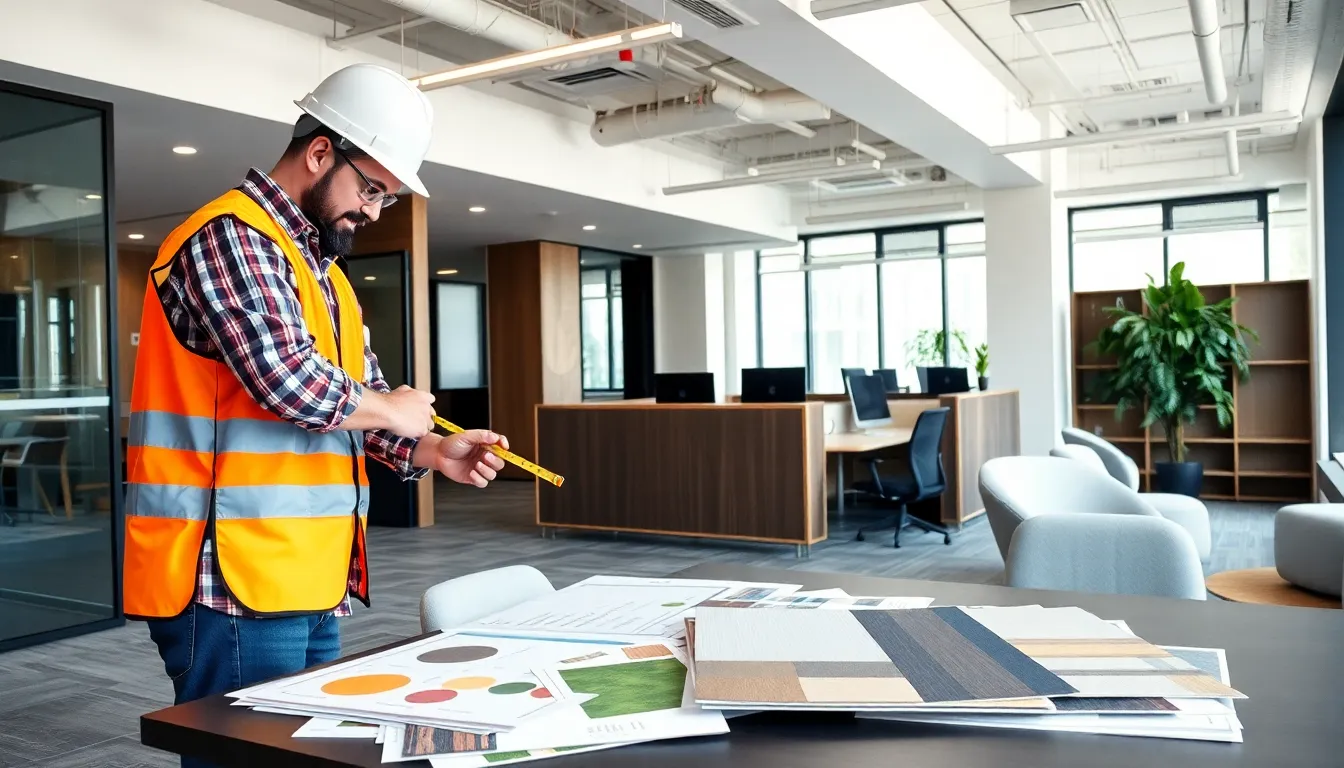
Office renovation requires careful planning and consideration to maximize benefits and ensure a successful project. Important aspects include budgeting for renovations and choosing the right design.
Budgeting for Renovations
Budgeting involves estimating the total costs associated with renovations. It’s essential to account for expenses such as materials, labor, and potential disruptions to business operations. Common budget components include:
- Material Costs: Determine prices of flooring, paint, furniture, and fixtures.
- Labor Fees: Factor in costs of contractors, designers, and specialized labor.
- Contingency Fund: Set aside 10-15% of the total budget for unexpected expenses.
- Time Frame: Consider costs associated with project delays, including lost productivity.
Establishing a clear budget ensures financial limitations guide decision-making and maintains project scope.
Choosing the Right Design
Selecting a design aligns with the company’s goals and employee needs. Key factors to consider include:
- Functionality: Design should facilitate better workflows and collaborative efforts.
- Brand Identity: Incorporate elements reflecting company values and branding to enhance image.
- Flexibility: Opt for modular furniture and adaptable layouts to accommodate future changes.
- Sustainability: Use eco-friendly materials and energy-efficient designs to support green initiatives.
Careful attention to design details fosters an environment that enhances productivity, engagement, and overall workplace satisfaction.
Popular Trends in Office Renovation
Office renovations often reflect contemporary work styles and technological advancements. The following trends significantly enhance workplace environments.
Open Space Concepts
Open space concepts facilitate collaboration and communication. Designers create large, unobstructed areas that accommodate teamwork, allowing for flexible seating arrangements and shared resources. These environments not only improve interaction but also lead to faster decision-making processes. Research shows that spaces promoting collaboration can enhance productivity by up to 25%. Companies like Google and Facebook exemplify successful implementations of open office layouts.
Incorporating Technology
Incorporating technology is essential in modern office renovations. Smart office solutions streamline operations, improve connectivity, and enhance employee experiences. Features like IoT devices, video conferencing systems, and mobile-friendly workstations allow for seamless communication and collaboration. Companies adopting such technologies often experience increased efficiency. Implementing an integrated management system can optimize workspace utilization and ensure that resources align with employee needs.
Steps to Execute an Office Renovation
Executing an office renovation involves systematic steps that ensure an efficient and impactful transformation. Following a structured approach enhances the likelihood of achieving desired outcomes.
Planning and Design Phase
During the planning and design phase, clarity and detail are crucial. Identify specific objectives for the renovation. Understanding employee needs and aligning them with business goals is vital. Gathering input through surveys or focus groups helps pinpoint desired features and improvements. Establish a realistic timeline that outlines each phase of the project. Develop a comprehensive budget that includes construction costs, furnishings, and technology upgrades. Design concepts should incorporate elements like open spaces for collaboration, dedicated areas for focus, and flexible work environments. Ensure that plans embrace sustainable materials and energy-efficient solutions to support long-term company values.
Contractor Selection and Management
Contractor selection and management play significant roles in the renovation process. Research potential contractors, focusing on their experience and reputation in office renovations. Review portfolios of past projects to gauge quality and creativity. Invite multiple bids to compare cost estimates comprehensively. Establish clear communication regarding expectations, deadlines, and quality standards from the start. Maintain regular progress meetings to address any issues or delays promptly. By fostering a collaborative relationship with the contractor, it becomes easier to navigate challenges and ensure that the renovation aligns with the initial vision and standards.
Common Challenges in Office Renovation
Office renovation often presents various challenges that can affect timelines, budgets, and overall project success. Addressing these challenges requires careful planning and strategic decision-making.
Disruption to Daily Operations
Disruption to daily operations arises when construction activities interfere with employee workflow. Noise, dust, and limited access to certain areas can hinder productivity and employee morale. To minimize interruptions, companies can schedule renovations during off-hours or implement phased renovations that allow parts of the office to remain operational. Communication with employees regarding timelines and changes can also alleviate concerns and foster understanding.
Compliance with Regulations
Compliance with regulations poses another challenge during office renovations. Local building codes, safety standards, and environmental regulations must be observed to avoid penalties and legal issues. Researching applicable laws and securing necessary permits is essential before starting any work. Coordinating with contractors familiar with local regulations ensures adherence and mitigates the risk of costly delays. Engaging legal or compliance experts during the planning phase supports a smoother renovation process.
Investing in office renovation is more than just updating a workspace; it’s about creating an environment that inspires and engages employees. A well-executed renovation can lead to increased productivity and stronger collaboration among teams. By focusing on modern designs and sustainable practices companies not only enhance their brand image but also adapt to the evolving demands of the workforce.
With careful planning and a clear understanding of objectives businesses can navigate potential challenges and achieve a successful transformation. Ultimately an inspiring office space serves as a catalyst for innovation and growth, positioning companies for long-term success in a competitive landscape.