

Is your iPhone moving slower than a sloth on a Sunday stroll? You’re not alone. Many users find themselves staring at that spinning wheel of doom, wondering if their device is secretly plotting against them. It’s frustrating when a device designed to keep life at your fingertips suddenly feels like it’s in a time warp.
Common Causes of iPhone Lag
Multiple factors contribute to an iPhone’s lagging performance. Understanding these causes helps users identify potential solutions.
Insufficient Storage Space
Insufficient storage space can significantly affect performance. With limited space, the device struggles to operate optimally. Users notice sluggishness when attempting to run apps or process updates. Regularly checking storage usage is important; users should delete unnecessary files and apps to free up space. Keeping at least 15-20% of storage available often improves performance.
Outdated Software
Outdated software leads to compatibility issues and slower device performance. Developers regularly release updates to enhance functionality and fix bugs. Without installing the latest iOS, users experience lag and may miss out on important features. Checking for available updates in the settings regularly helps ensure the device runs efficiently. Running the most current version improves speed and stability significantly.
Background App Activity
Background app activity consumes resources and contributes to lagging. Many apps continue to run in the background, using memory and processing power. Closing unused apps can enhance the phone’s responsiveness. Users should also adjust settings to limit background activity for specific apps, reducing the overall load on the device. Keeping the number of active apps minimal allows for a smoother user experience.
Performance-Enhancing Tips
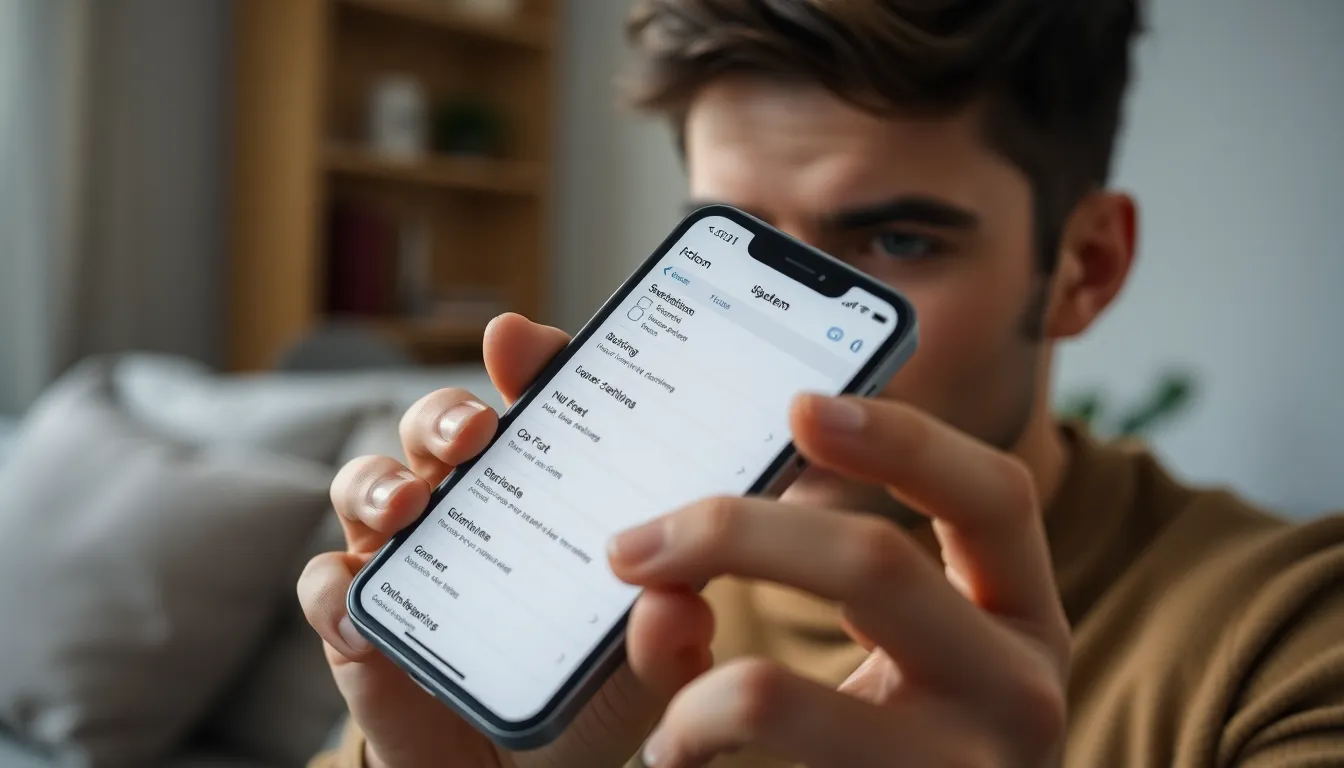
Optimizing an iPhone’s performance involves several straightforward actions that target common lag sources. Users can take steps to enhance their device’s responsiveness effectively.
Clear Storage Space
Storage space plays a crucial role in device performance. Regularly inspecting the storage can reveal unnecessary files and large apps that occupy valuable space. Deleting old photos, messages, and unused apps can free up significant memory. Utilize the iPhone’s storage management tool to identify what takes up the most space. By regularly clearing storage, users allow their devices to function more smoothly.
Update Your iOS
Keeping iOS updated ensures optimal performance. Software updates often contain patches, features, and enhancements that can resolve lag issues. Check for updates regularly through Settings, where system alerts usually notify users of new versions. Installing the latest iOS version can improve speed and application compatibility. Updated systems typically run more efficiently, leading to a better user experience.
Disable Background App Refresh
Background app refresh can consume resources, causing noticeable lag. Users can disable this feature for non-essential apps by navigating to Settings, tapping on General, and selecting Background App Refresh. Limiting this function allows the iPhone to allocate resources more efficiently, enhancing overall performance. Disabling unnecessary refreshes provides a quick boost to responsiveness and battery life.
When to Seek Professional Help
Noticing persistent lagging despite attempts to optimize the device serves as a significant warning. Users experiencing frequent crashes or error messages should consider professional assistance. Experiencing hardware issues, such as an unresponsive screen or swollen battery, also indicates the need for expert evaluation.
Should performance problems escalate beyond routine troubleshooting, contacting an Apple technician or authorized service provider is advisable. Unresolved software issues that continue after troubleshooting steps could also benefit from a diagnostic by a professional. A technician’s assessment can uncover underlying problems, enabling faster resolution and restored performance.
For those with older iPhones, lag may stem from outdated hardware. Aging devices may struggle with newer software updates, and in some cases, a technician might recommend a hardware upgrade. Seeking guidance before opting for repairs or upgrades helps steers users in the right direction.
Keeping warranty status in mind is essential when seeking support. If the device is still under warranty, repairs may be covered at no additional cost, making it worthwhile to consult with a professional. Addressing lagging issues with expert help can result in a significantly improved user experience, ensuring the iPhone runs as intended.
Experiencing lag on an iPhone can be frustrating but it’s often manageable with a few simple steps. By regularly checking storage and keeping iOS updated users can significantly enhance their device’s performance. Closing background apps and adjusting settings further optimizes resource allocation.
If lag persists despite these efforts it may be time to seek professional assistance. Whether it’s a hardware issue or a more complex software problem a technician can provide the necessary support. With the right approach users can enjoy a smoother and more responsive iPhone experience.