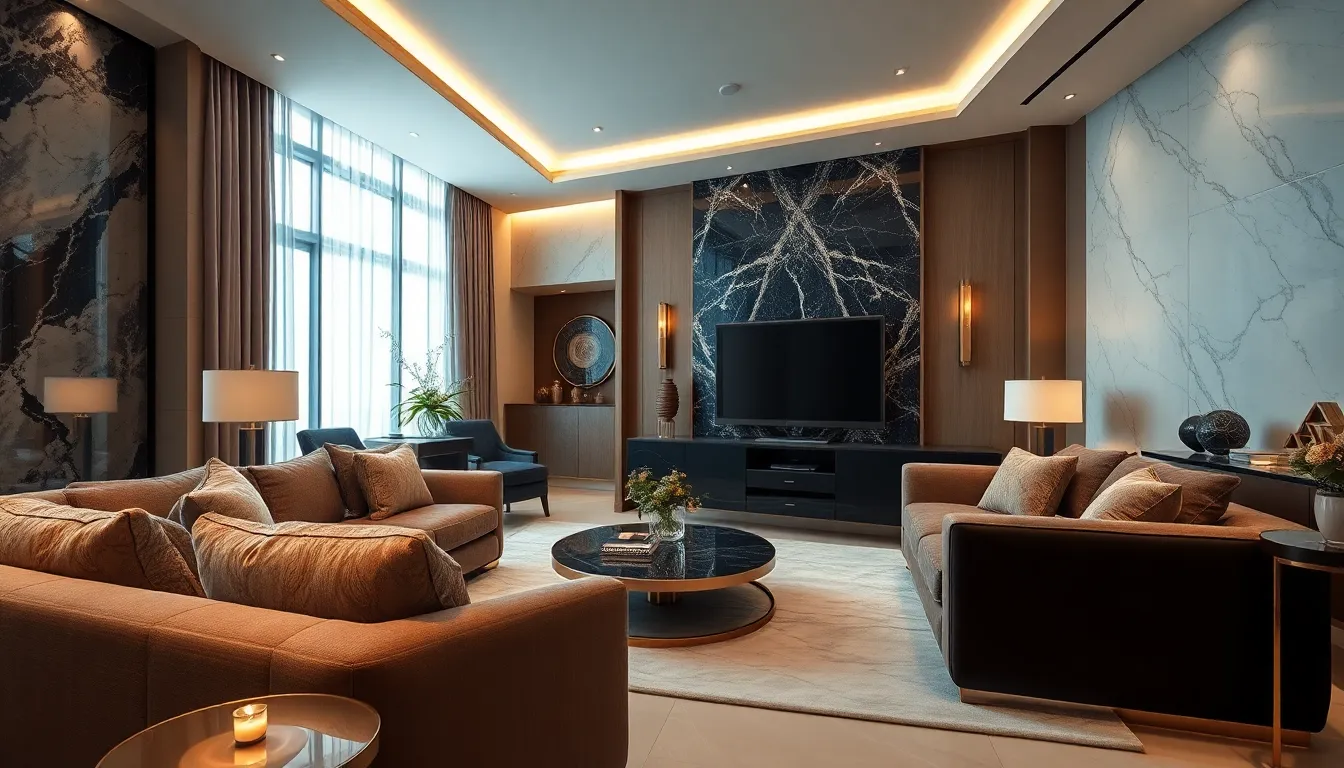
Luxury interior design transcends mere aesthetics, creating spaces that embody comfort, elegance, and sophistication. It’s about crafting an atmosphere that reflects personal style while incorporating high-quality materials and innovative techniques. From opulent furnishings to bespoke art pieces, every detail plays a crucial role in transforming a house into a lavish sanctuary.
In a world where design trends constantly evolve, luxury interior design remains a timeless pursuit. It invites individuals to immerse themselves in an experience that goes beyond the ordinary, blending functionality with exquisite style. As homeowners seek to elevate their living spaces, understanding the principles of luxury design can unlock the potential for a truly remarkable home environment.
Table of Contents
ToggleWhat Is Luxury Interior Design?
Luxury interior design emphasizes high-quality materials, refined aesthetics, and innovative techniques in creating spaces that exude sophistication and comfort. It transcends mere visual appeal, integrating functionality with exquisite style to craft environments that reflect personal taste and lifestyle.
Key aspects of luxury interior design include:
- Quality Materials: Designers often select premium materials such as marble, silk, and hardwood to ensure durability and elegance.
- Custom Solutions: Tailored furniture and bespoke features enhance the unique character of each space.
- Innovative Techniques: Advanced design methods, such as smart home technology integration, elevate both convenience and functionality.
- Timeless Elements: Classic architectural details and enduring design principles contribute to a long-lasting appeal, regardless of trends.
- Attention to Detail: Meticulous craftsmanship is crucial, emphasizing the little things that elevate a space from ordinary to extraordinary.
Ultimately, luxury interior design creates a lavish sanctuary that harmonizes comfort, style, and personalized elements, enhancing the overall living experience.
Key Elements of Luxury Interior Design
Luxury interior design relies on specific elements that create an exquisite atmosphere. The combination of distinct colors, high-end materials, and curated furniture pieces defines the sophistication of a space.
Color Palettes
Color palettes in luxury interior design feature rich, deep shades alongside neutral tones. Colors such as navy blue, emerald green, and charcoal gray evoke a sense of opulence. Incorporating metallics like gold and silver can enhance vibrancy. Accent colors should provide contrast and complement the overall scheme, ensuring harmony across different elements.
Materials and Textures
Materials and textures elevate luxury interior design. High-quality materials such as marble, fine wood, and silk contribute to a sense of exclusivity. Textures play a crucial role; plush fabrics like velvet and cashmere bring warmth, while smooth finishes like glass or polished metal add sophistication. Combining different textures creates visual intrigue and depth within the space.
Furniture and Artifacts
Furniture and artifacts serve as focal points in luxury interiors. Custom-designed pieces offer unique character, while iconic brands symbolize prestige. Incorporating antiques or statement art can reflect personal style and history. Prioritizing comfort alongside aesthetics ensures that furniture invites relaxation, enhancing both functionality and elegance.
Trends in Luxury Interior Design
Luxury interior design embraces modern trends that balance aesthetics with functionality. Two prominent trends shaping the landscape include sustainable luxury and smart home integration.
Sustainable Luxury
Sustainable luxury focuses on environmental responsibility while maintaining elegance. Designers incorporate eco-friendly materials such as bamboo, reclaimed wood, and low-VOC paints. High-quality textiles also prioritize sustainability, featuring organic cotton and linen. Energy-efficient appliances and smart lighting solutions contribute to reducing energy consumption, aligning luxury with environmental consciousness. Designing spaces that incorporate natural elements, like plants and biophilic design, enhances air quality and promotes well-being, making sustainability a hallmark of modern luxury.
Smart Home Integration
Smart home integration transforms luxury spaces into sophisticated environments prioritizing convenience and technological advancement. Automated systems control lighting, heating, and security through smart devices. High-end features like voice-activated home assistants or integrated audio-visual systems enhance user experience. Innovative home technology allows customization of ambiance through programmable settings. Additionally, luxury design includes seamless integration of technology within the interior, disguising devices within furniture or design elements. This blend of innovation and style elevates the living experience further, while ensuring comfort and sophistication.
Benefits of Luxury Interior Design
Luxury interior design offers multiple advantages, enhancing both the visual impact of a space and the quality of life for its inhabitants. The following aspects highlight the benefits of adopting luxury design elements in residential spaces.
Increased Home Value
Incorporating luxury interior design significantly boosts a home’s market value. The use of premium materials such as marble, hardwood, and high-end fixtures attracts potential buyers. Custom designs tailored to individual preferences create standout features, making the property more appealing. Well-designed spaces often receive higher appraisals, reflecting the investment in quality and aesthetic appeal. Properties enriched with luxury interiors typically sell faster, demonstrating a strong return on investment.
Enhanced Comfort and Functionality
Luxury interior design prioritizes comfort while blending functionality seamlessly. High-quality furnishings provide superior comfort, inviting relaxation and leisure. Thoughtful layouts maximize space efficiency, ensuring every area serves a purpose. Smart home technology enhances user experiences, offering convenient control over heating, lighting, and security. Luxury designs emphasize personalized solutions that cater to individual lifestyles, ensuring spaces are not only beautiful but also practical and enjoyable. The integration of intelligent design solutions elevates everyday living, transforming spaces into sanctuaries of both style and convenience.
Luxury interior design transcends mere aesthetics to create environments that resonate with comfort and sophistication. By focusing on high-quality materials and personalized elements, it transforms spaces into unique sanctuaries. The integration of smart technology and sustainable practices further enhances the experience, ensuring that luxury living is both functional and environmentally conscious.
As trends evolve, the essence of luxury remains rooted in timeless elegance and meticulous detail. This approach not only elevates the visual appeal of a home but also enriches the lives of its inhabitants, making every moment spent in these beautifully designed spaces truly exceptional. Embracing luxury interior design is an investment in both style and quality of life.