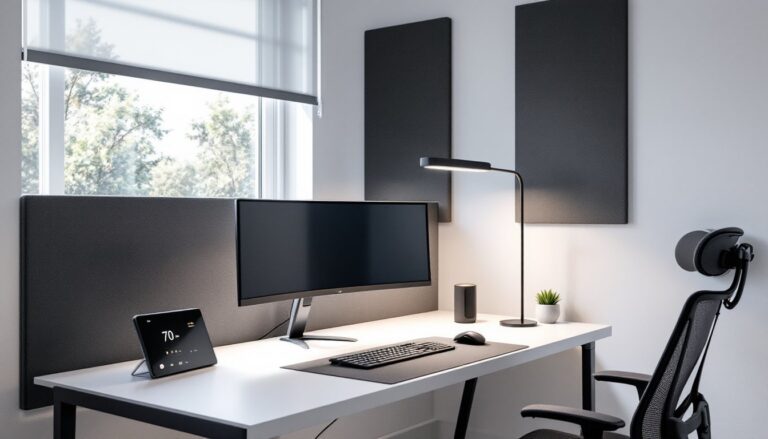
Setting up a functional home office means making smart furniture choices that support both comfort and productivity. The mesh seat office chair has become a go-to solution for remote workers and home office setups, offering breathability, ergonomic support, and durability that traditional upholstered chairs often can’t match. But not all mesh chairs are created equal, construction quality, adjustability, and frame design vary widely across price points. This guide breaks down what to look for, how different styles fit specific workspace needs, and how to keep your chair performing well for years.
Table of Contents
ToggleKey Takeaways
- A mesh seat office chair solves heat buildup and sagging issues common with upholstered chairs, maintaining shape and support for years while offering superior breathability during long work sessions.
- Look for adjustable lumbar support, proper seat height adjustment (16-21 inches), and multi-directional armrests when choosing a quality mesh chair to prevent strain and ensure long-term comfort.
- Metal frames, quality elastomeric mesh, Class-4 certified gas cylinders, and 5-10 year warranties indicate a durable mesh office chair built to last, unlike cheap alternatives that flex and crack within years.
- Select your mesh chair style based on work habits: task chairs for small spaces, ergonomic models for 6+ daily desk hours, and executive high-backs for video calls and dedicated home offices.
- Maintain your mesh chair by weekly vacuuming, quarterly caster inspections, monthly bolt tightening, and gentle cleaning with mild soap to extend its lifespan and preserve adjustments.
- If sagging mesh develops despite proper care, replacement mesh panels or gas cylinders can extend your chair’s life, but persistent sagging signals it’s time for a new investment in your home office setup.
Why Choose a Mesh Seat Office Chair for Your Home Office?
Mesh seating solves a problem that upholstered chairs struggle with: heat buildup. The open-weave design allows airflow across the seat and back, which matters during long work sessions or in warmer climates. You won’t find yourself shifting positions constantly to escape a sweaty contact point.
Mesh materials also resist sagging better than foam. Quality mesh maintains its shape and tension for years, whereas foam cushions compress unevenly and lose support within 18-24 months of regular use. This translates to better posture support over the chair’s lifespan.
Cleaning is straightforward. Unlike fabric that absorbs spills and traps dust mites, mesh wipes clean with a damp cloth and mild detergent. There’s no upholstery to steam or deep-clean, which reduces maintenance time and cost.
Weight capacity tends to run higher with mesh chairs because the suspension distributes load across the entire weave rather than concentrating pressure on foam padding. Most quality mesh chairs support 250-300 lbs, with heavy-duty models rated to 400 lbs.
For home offices in smaller spaces, mesh chairs often have a lighter visual footprint than bulky leather or padded executive chairs. The see-through back doesn’t dominate a room, which works well in shared living areas that double as workspace.
Key Features to Look for in a Quality Mesh Seat Chair
Ergonomic Support and Adjustability
A chair’s adjustment range determines whether it actually fits your body. Seat height adjustment should allow your feet to rest flat on the floor with thighs parallel to the ground, typically 16-21 inches for most users. Pneumatic cylinders handle this, but check that the mechanism holds position firmly without slow sinking during use.
Lumbar support is non-negotiable for long sitting sessions. Look for adjustable lumbar pads that move vertically and sometimes horizontally to match your lower back curve. Fixed lumbar supports only work if they happen to align with your spine, otherwise they create new pressure points. Many modern designs with comfortable office chairs incorporate dynamic lumbar systems that flex with your movements.
Armrests should adjust in at least two directions: height and width. Three-dimensional armrests add depth adjustment, and 4D models include pivot. This matters when switching between keyboard work and mouse tasks, poorly positioned armrests force shoulder elevation or wrist deviation, both of which lead to strain.
Seat depth adjustment lets you position the seat pan so there’s 2-3 inches clearance between the seat edge and the back of your knees. This prevents circulation restriction while supporting your thighs properly. Not all chairs offer this, but it’s worth seeking out if you’re taller than 6′ or shorter than 5’4″.
Tilt tension and lock allow you to recline the backrest and lock it at various angles. Synchro-tilt mechanisms move the seat and back at different ratios (typically 2:1), which reduces pressure under your thighs when reclining. Cheaper chairs use basic tilt that pivots from a single point, which can feel awkward.
Durability and Build Quality
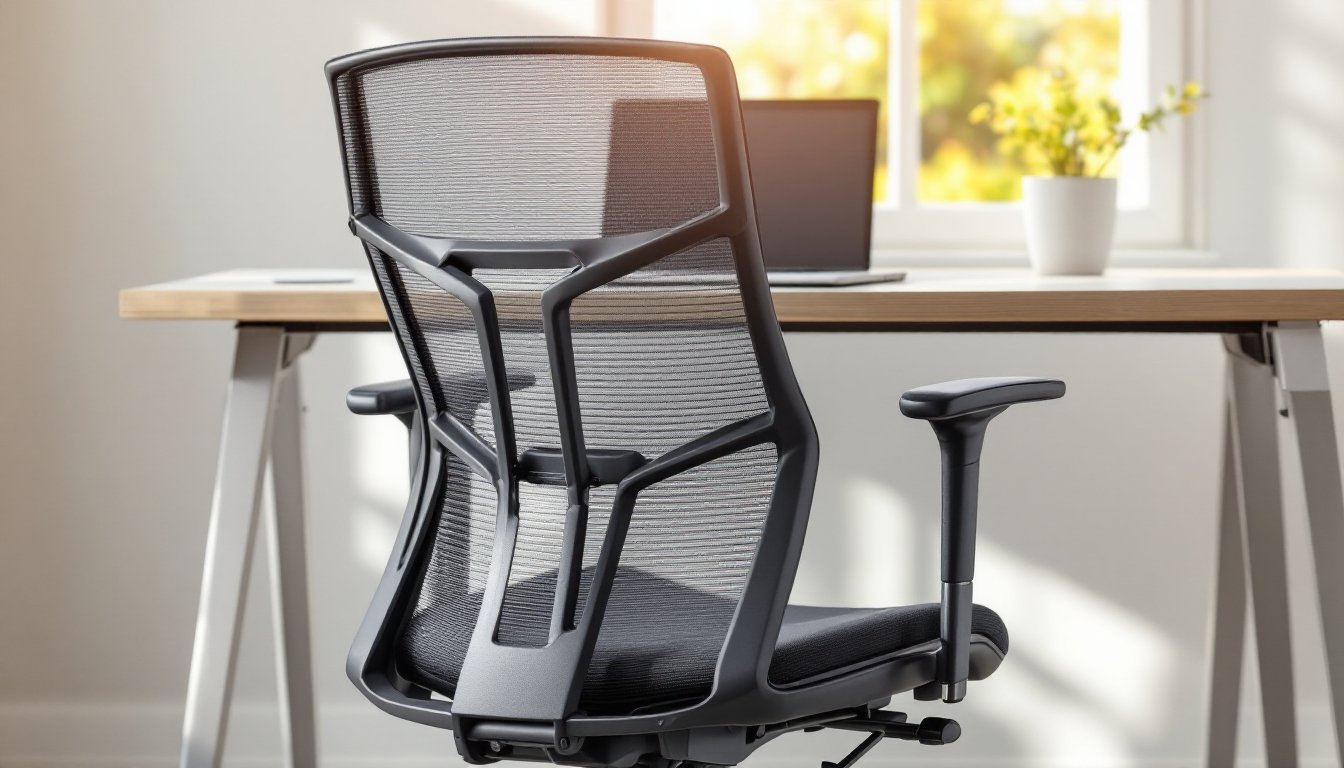
Frame construction separates short-lived chairs from decade-long investments. Metal frames, typically steel or aluminum, provide the necessary rigidity. Plastic frames might look similar but flex under load and crack at stress points within a few years.
Check the mesh material itself. Quality mesh uses elastomeric polymers that return to shape after stretching. Lower-grade mesh feels looser and develops permanent depressions where you sit. Some manufacturers specify mesh tension ratings: higher numbers indicate firmer support.
Casters should match your flooring. Hard casters work on carpet, while soft rubber or polyurethane casters protect hardwood and tile. Dual-wheel casters distribute weight better than single wheels and roll more smoothly. Look for at least a 3-inch wheel diameter, smaller wheels snag on rugs and uneven transitions.
The gas lift cylinder controls seat height. Class-4 cylinders meet international safety standards and resist catastrophic failure. Avoid chairs that don’t specify cylinder certification, gas lift explosions are rare but serious.
Warranty terms reveal manufacturer confidence. Reputable brands offer 5-10 year warranties covering frame and mechanisms, with 2-3 years on mesh and upholstery components. If a chair only has a 1-year warranty, that’s a red flag about expected lifespan.
Best Mesh Seat Office Chair Styles for Different Home Office Setups
Task chairs represent the most common mesh style. They prioritize function over executive presence, compact footprint, moderate back height, and essential adjustments. Task chairs work well in smaller home offices or shared spaces where the chair needs to tuck under a desk completely. They typically fall in the $150-$400 range.
Executive mesh chairs feature high backs that support the head and neck, wider seats, and more premium materials. These suit dedicated home offices where the chair stays visible. The taller back provides better support for leaning back during calls or thinking through problems. Expect to spend $400-$800 for quality options.
Ergonomic mesh chairs emphasize adjustability and body-contour support. They often look more mechanical with visible adjustment levers and articulating parts. These chairs fit users who spend 6+ hours daily at a desk and need precise positioning. Price range runs $500-$1,200, with flagship models from ergonomic specialists pushing higher.
Conference or guest chairs use mesh for breathability but remove most adjustments to keep costs down and simplify use. They work as secondary seating in home offices that occasionally host clients or collaborators. These typically range $100-$250 each.
Gaming chairs with mesh blend gaming aesthetics with breathable materials. They feature bold styling, RGB lighting options in some models, and recline angles beyond what office chairs offer. If your home office doubles as a gaming space, these bridge both uses. Pricing varies widely from $200-$600.
For smaller spaces featured on sites like Apartment Therapy, folding mesh chairs provide a portable solution. They won’t replace a primary work chair but serve as backup seating that stores in a closet. The mesh seat keeps them lightweight, usually under 20 lbs.
When selecting chair style, measure your desk height first. Standard desks sit at 29-30 inches, which works with most chairs. Standing desk converters or adjustable-height desks need chairs with greater height range, sometimes requiring extended-cylinder models.
Consider your work tasks. Video-heavy schedules benefit from executive high-backs that frame you well on camera. Hands-on creative work that involves frequent position changes suits task chairs with greater mobility. Data entry and writing sessions demand ergonomic models with superior lumbar support.
How to Maintain and Clean Your Mesh Seat Office Chair
Regular maintenance extends chair life and keeps adjustments working smoothly. Start with weekly vacuuming using a brush attachment to remove dust and debris trapped in the mesh weave. This prevents buildup that can wear fibers over time.
For deeper cleaning, mix 1-2 tablespoons of mild dish soap in a spray bottle with warm water. Lightly mist the mesh, don’t soak it, and scrub gently with a soft-bristle brush in circular motions. Work in sections, wiping with a clean damp cloth after each area. Avoid harsh cleaners or bleach, which degrade mesh elasticity.
Allow the chair to air-dry completely before use, typically 2-4 hours depending on humidity. Don’t use heat guns or hair dryers, as concentrated heat can warp plastic components or weaken mesh fibers.
Lubricate moving parts every 6 months. Apply a silicone-based spray lubricant to tilt mechanisms, armrest joints, and the gas cylinder shaft where it enters the seat base. Wipe away excess to prevent dust attraction. Don’t use WD-40 or petroleum-based products, which can damage plastic bushings.
Inspect casters quarterly. Pull them off the base, most friction-fit and remove with a firm tug, and remove wrapped hair or cable ties. Roll them across your palm to check for binding. Replace casters that no longer spin freely: they typically cost $10-20 for a set of five.
Check fastener tightness monthly. Mesh chairs use numerous bolts connecting the back, seat, and armrests. Vibration from rolling and adjustment gradually loosens these. Use an Allen wrench set to snug them down, not overtightened, just firm. This prevents wobble and premature wear on connection points.
For stubborn stains on mesh, make a paste of baking soda and water, apply to the spot, let sit for 15 minutes, then brush and rinse. This works on coffee spills and ink marks without damaging fibers.
If mesh develops a sag even though proper care, it’s typically a sign the material has reached end-of-life. Some manufacturers sell replacement mesh panels for popular models, which can extend chair use. Otherwise, sagging mesh means it’s time to replace the chair, continuing to use worn mesh forces poor posture.
The gas cylinder occasionally needs adjustment if the chair slowly sinks during use. This usually means the cylinder seal has worn out. Replacement cylinders cost $20-40 and swap out with basic tools, though you’ll need a rubber mallet to separate the old cylinder from the base. Match the cylinder diameter (typically 2 inches) and ensure it’s a Class-4 certified unit.
Store chairs properly if you won’t use them for extended periods. Cover them to prevent dust buildup and keep them in climate-controlled spaces. Extreme temperature swings can affect mesh tension and pneumatic cylinder performance.
Conclusion
Selecting a mesh seat office chair comes down to matching features with your actual work habits and space constraints. Prioritize adjustability over style, invest in quality frame construction, and don’t skip the break-in period, mesh chairs often feel firmer initially but conform to your body within the first few weeks. With proper maintenance, a well-chosen mesh chair supports productive work for years without the comfort degradation that plagues padded alternatives.