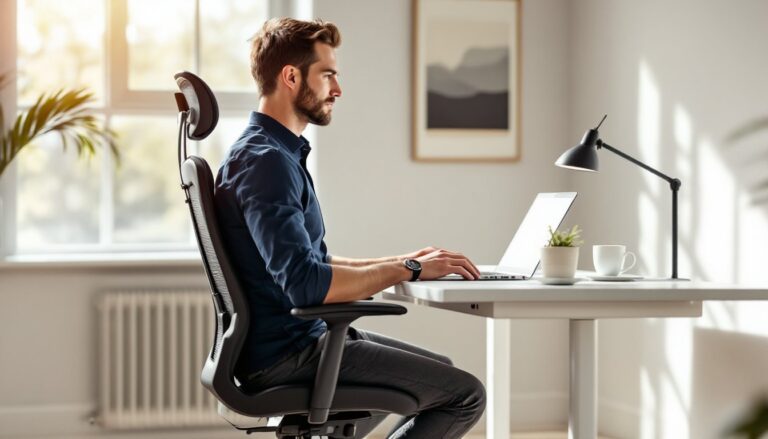
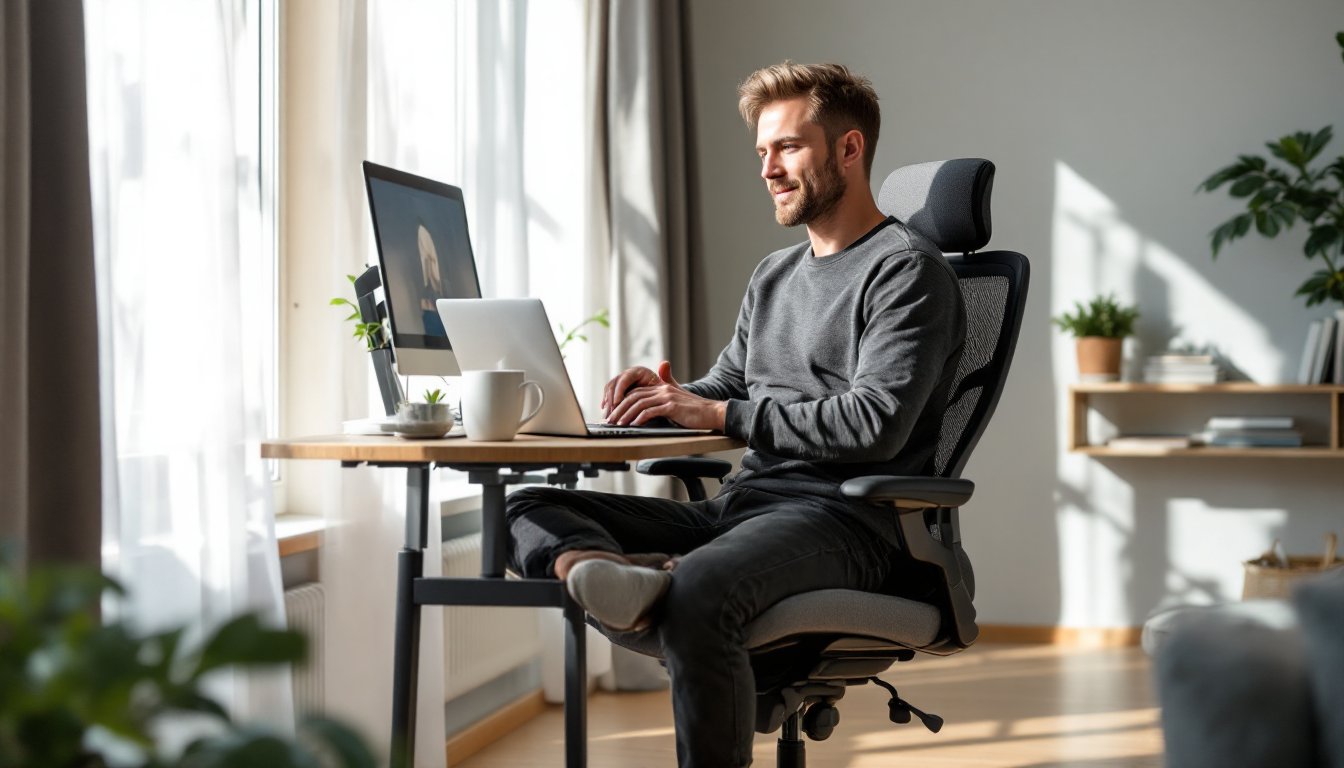
Anyone working from a home office knows the feeling: tight shoulders, a stiff neck, and hips that protest when it’s finally time to stand. Hours spent hunched over a keyboard take a toll, and most people don’t realize the damage until it’s already disrupting their workday. The good news? A few targeted stretches, done right in an office chair, can reverse much of that tension and prevent it from building up in the first place. These aren’t elaborate yoga poses or time-consuming routines. They’re practical movements designed to counteract the specific strain patterns that desk work creates, and they fit into any schedule without requiring a change of clothes or a trip to the floor.
Table of Contents
ToggleKey Takeaways
- Office chair stretches combat tension from prolonged sitting by targeting specific muscle imbalances caused by desk work, including tight hip flexors, rounded shoulders, and a compressed spine.
- Performing short stretching routines every 30–60 minutes improves blood flow, focus, and productivity while preventing chronic pain and postural problems that develop over time.
- Upper body office chair stretches like shoulder blade squeezes and chest openers directly counter the forward-rounded posture created by keyboard work.
- Hip flexor stretches are critical for desk workers since sitting locks the hips in a flexed position, and tight hip flexors tilt the pelvis forward and cause lower back strain.
- Consistency beats intensity—a five-minute stretching routine done three times daily outperforms longer, infrequent sessions, making office chair stretches easy to integrate into any workday.
Why Office Chair Stretching Matters for Home Office Workers
Sitting for extended periods compresses the spine, shortens hip flexors, and rounds the shoulders forward. Over time, this creates muscle imbalances that lead to chronic pain and reduced mobility. The erector spinae muscles along the spine weaken, while the hip flexors and pectorals tighten, pulling the body into a collapsed posture that’s hard to correct.
Home office workers face unique challenges. Without the natural movement breaks that come from walking to meetings or chatting at a water cooler, it’s easy to sit for three or four hours straight. The setup matters too, a chair that lacks proper lumbar support or armrests at the wrong height forces the body into compensatory positions that accelerate fatigue.
Regular stretching doesn’t just ease discomfort. It increases blood flow to muscles, which improves focus and reduces the mental fog that sets in during long work sessions. Studies on workplace ergonomics show that short movement breaks every 30–60 minutes improve both productivity and mood. Think of stretching as preventive maintenance, the same way a weekend warrior services their power tools before they fail.
Upper Body Stretches You Can Do Without Leaving Your Chair
The upper body takes the brunt of poor desk posture. Rounded shoulders, forward head position, and elevated shoulder blades create a cascade of tension that radiates from the neck down through the mid-back.
Seated Shoulder Blade Squeeze: Sit upright with feet flat on the floor. Pull the shoulder blades back and down, as if trying to pinch a pencil between them. Hold for 5–10 seconds, then release. Repeat 8–10 times. This activates the rhomboids and middle trapezius, muscles that counteract the forward pull of computer work.
Overhead Reach: Extend both arms overhead, interlacing fingers and turning palms toward the ceiling. Gently push upward and slightly back, feeling the stretch through the shoulders and sides of the rib cage. Hold for 15–20 seconds. This opens the chest and decompresses the spine.
Chest Opener: Clasp hands behind the lower back (or grab the backrest of the chair if that’s more accessible). Straighten the arms and lift the chest, squeezing the shoulder blades together. Hold for 15–20 seconds. This directly counters the rounded-shoulder position most desk workers adopt.
Neck and Shoulder Release Techniques
Neck tension often starts with elevated shoulders and forward head posture. The average human head weighs 10–12 pounds, but when tilted forward even 15 degrees, the effective load on the cervical spine doubles.
Neck Tilt Stretch: Sit tall and slowly tilt the right ear toward the right shoulder. For a deeper stretch, place the right hand gently on the left side of the head, don’t pull, just add light pressure. Hold for 15–20 seconds, then switch sides. This targets the levator scapulae and upper trapezius.
Chin Tuck: Pull the chin straight back, creating a double-chin position, without tilting the head up or down. Hold for 5 seconds, then release. Repeat 8–10 times. This realigns the cervical spine and strengthens the deep neck flexors that stabilize head position.
Lower Body and Hip Flexor Stretches for Desk Sitters
Sitting locks the hips in a flexed position for hours at a time. The iliopsoas and rectus femoris (the primary hip flexors) adapt by shortening, which tilts the pelvis forward and puts strain on the lower back. This is one of the most common, and overlooked, contributors to low back pain in desk workers.
Seated Hip Flexor Stretch: Scoot to the front edge of the chair. Extend the right leg behind, placing the ball of the foot on the floor. Keep the left foot flat and knee at 90 degrees. Press the right hip forward gently until a stretch is felt in the front of the right hip and thigh. Hold for 20–30 seconds, then switch. This move is especially effective when done hourly.
Figure-Four Glute Stretch: Sit upright and cross the right ankle over the left knee, forming a “4” shape. Flex the right foot to protect the knee. Lean forward from the hips, keeping the back straight, until a stretch is felt in the right glute and outer hip. Hold for 20–30 seconds, then switch. Tight glutes contribute to hip and lower back stiffness.
Ankle Circles and Foot Flexes: Extend one leg and rotate the ankle slowly in both directions, 10 circles each way. Then flex and point the foot 10 times. This promotes circulation in the lower legs and helps prevent the stiffness that leads to restless legs or cramping. Anyone who’s spent a day troubleshooting plumbing under a sink knows how much ankles matter when they’ve been locked in one position too long.
Back and Spine Stretches to Combat Slouching
The spine is designed to move in multiple directions, flexion, extension, rotation, and lateral bending. Sitting restricts most of that movement, leaving the intervertebral discs compressed and the supporting muscles weak. Many experienced woodworkers and those who’ve spent time building DIY furniture projects understand the importance of spine health when working in awkward positions.
Seated Spinal Twist: Sit sideways in the chair so the backrest is on the right. Place both hands on the backrest and gently rotate the torso to the right, using the hands for leverage but not forcing the movement. Hold for 15–20 seconds, then switch sides. This mobilizes the thoracic spine, which often becomes locked in a rounded position.
Cat-Cow in Chair: Sit forward with hands on knees. Inhale and arch the back, lifting the chest and looking slightly upward (cow). Exhale and round the spine, tucking the chin and pulling the belly button toward the spine (cat). Move slowly between the two positions 8–10 times. This alternating flexion and extension lubricates the spinal joints and activates the core.
Side Bend: Sit upright and reach the right arm overhead, then bend to the left from the waist, feeling the stretch along the right side of the torso. Keep both hips anchored to the seat. Hold for 15–20 seconds, then switch. This targets the quadratus lumborum and obliques, muscles that stabilize the lower back and often cramp during prolonged sitting.
Creating a Stretching Routine That Fits Your Workday
Consistency beats intensity when it comes to desk stretching. A five-minute routine done three times a day will outperform a 30-minute session done once a week. The goal is to interrupt the cumulative strain before it turns into pain.
Morning Warm-Up (5 minutes): Start the workday with neck tilts, shoulder blade squeezes, and spinal twists. This primes the body for hours of sitting and establishes good posture early.
Midday Reset (3–5 minutes): Around lunch, focus on hip flexor stretches, figure-four glute stretches, and a seated cat-cow. This is when sitting fatigue peaks, and a quick reset can salvage the afternoon.
End-of-Day Release (5 minutes): Before shutting down the computer, run through chest openers, side bends, and ankle circles. This helps the body transition out of desk mode and prevents stiffness from carrying over into the evening.
Set a timer or use a browser extension that prompts movement breaks. Most people underestimate how long they’ve been sitting. Even a 30-second stretch every hour makes a measurable difference. Those familiar with step-by-step project guides know that breaking work into timed intervals keeps both focus and physical comfort in check.
Pair stretches with existing habits. Stretch while waiting for a file to upload, during a long phone call, or right after finishing a report. Habit stacking makes the routine automatic. Investing in ergonomic seating can also reduce the need for corrective stretching, though movement remains essential regardless of chair quality.
Conclusion
Office chair stretches aren’t a luxury, they’re a practical response to the physical demands of desk work. Regular movement keeps muscles balanced, joints mobile, and posture upright, which translates directly into less pain and better focus. The moves outlined here require no equipment, no floor space, and no special clothing. They fit into any workday, and the return on investment is immediate. Treat stretching like any other maintenance task: skip it, and problems compound. Stay consistent, and the body stays functional. For more tips on setting up a productive and comfortable workspace, resources like Family Handyman offer practical guides on ergonomic improvements and home office setups.