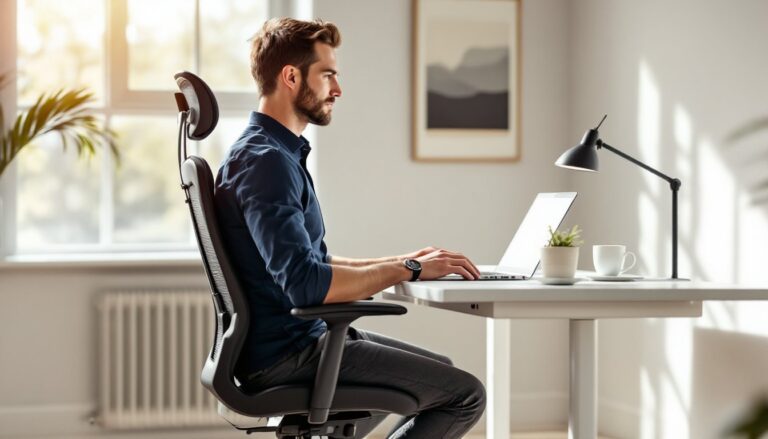
Sitting at a desk all day isn’t just uncomfortable, it’s a direct route to stiffness, poor posture, and nagging back pain. For anyone working from home, the line between productivity and physical strain blurs quickly when hours pass without movement. Office chair yoga offers a practical solution: stretches and poses performed right in the chair, designed to counteract the damage of prolonged sitting. No mat required, no need to change clothes, and no excuses. These movements take minutes but deliver measurable relief, keeping the body loose and the mind sharp without leaving the workspace.
Table of Contents
ToggleKey Takeaways
- Office chair yoga combats the physical damage of prolonged sitting by releasing tension in the back, neck, and shoulders—no mat, special clothes, or equipment needed.
- Performing 2-3 stretches every 60-90 minutes improves circulation, reduces muscle tension, and sharpens mental focus without interrupting your workday.
- Essential beginner poses like seated spinal twists, neck rolls, and shoulder shrugs take under three minutes but effectively reverse desk-induced postural problems.
- A stable chair, proper monitor height at eye level, and at least 3 feet of clear space around your workspace are key to practicing office chair yoga safely and effectively.
- Building consistency through hourly micro-breaks and morning warm-up sequences makes office chair yoga more sustainable than traditional gym routines for remote workers.
Why Office Chair Yoga Matters for Your Home Workspace
Home offices rarely match the ergonomic standards of corporate setups. Dining chairs double as desk seats, monitors sit at eye-straining heights, and the commute from bed to desk doesn’t exactly warm up the muscles. This sedentary setup wreaks havoc on the body.
Prolonged sitting compresses the spine, tightens hip flexors, and weakens core muscles. Blood flow slows, especially in the legs, increasing the risk of stiffness and even deep vein thrombosis during marathon work sessions. The shoulders round forward, the neck juts out to peer at screens, and the lower back loses its natural curve. Over time, these postural shifts become structural problems.
Office chair yoga directly addresses these issues. Unlike traditional yoga that requires floor space and flexibility, chair-based stretches work within the constraints of a workday. They target the exact muscles that suffer most during desk work: the hip flexors, lower back, neck, and shoulders. A few minutes of stretching every hour increases circulation, reduces muscle tension, and resets posture before poor alignment becomes chronic pain.
The mental benefits matter just as much. Movement breaks improve focus and cognitive function. Studies show that brief physical activity boosts blood flow to the brain, sharpening concentration and reducing the mental fog that creeps in after hours of screen time. Chair yoga doesn’t just maintain the body, it sustains productivity.
For remote workers, the flexibility of chair yoga is key. No need to roll out a mat, change into workout gear, or leave a video call. These stretches integrate seamlessly into the workday, making consistency easier to maintain than gym sessions or structured exercise routines.
Essential Office Chair Yoga Poses for Beginners
Starting with a few foundational poses builds the habit without overwhelming the schedule. These movements require no prior yoga experience and work with any sturdy office chair, preferably one without wheels, or at least one positioned against a wall for stability.
Seated Spinal Twist for Back Relief
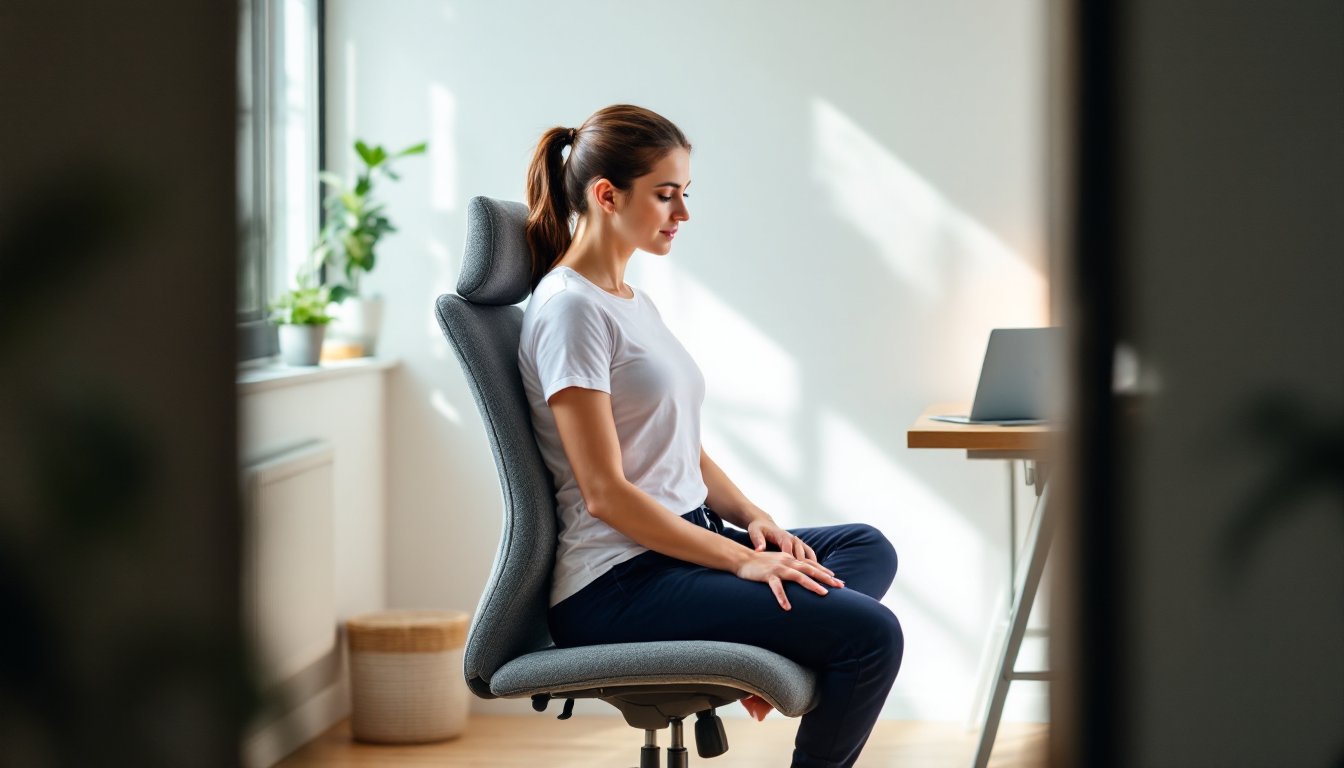
The seated spinal twist releases tension in the lower and mid-back while improving spinal mobility. Sit upright with feet flat on the floor, hip-width apart. Place the right hand on the outside of the left knee and the left hand on the chair’s backrest or armrest. Inhale to lengthen the spine, then exhale while twisting gently to the left, using the hands for leverage, not force.
Hold for 20-30 seconds, breathing deeply. The twist should feel like a stretch, not a strain. Return to center slowly and repeat on the opposite side. This movement wrings out stiffness accumulated from slouching and opens up the thoracic spine, which often locks up during desk work.
For deeper relief, perform this stretch after every 90 minutes of sitting. Pair it with a comfortable office chair that supports proper spinal alignment to maximize the benefits.
Neck Rolls and Shoulder Shrugs to Release Tension
Neck rolls address the forward head posture that plagues screen users. Sit tall with shoulders relaxed. Drop the chin toward the chest, then slowly roll the head to the right, bringing the right ear toward the right shoulder. Continue the roll backward (looking up gently), then to the left, and back to the starting position. Complete 3-5 slow circles in each direction.
Avoid forcing the head back too far, this can compress cervical vertebrae. The movement should feel smooth, not crunchy. If any position triggers sharp pain, skip that range and consult a healthcare professional.
Shoulder shrugs release upper trapezius tension. Inhale deeply while lifting both shoulders straight up toward the ears, hold for 2-3 seconds, then exhale forcefully while dropping them down. Repeat 8-10 times. For variation, roll the shoulders backward in circles, squeezing the shoulder blades together at the top of each rotation.
These two moves combined take under three minutes but effectively interrupt the tension cycle that leads to headaches and neck pain. Perform them hourly, especially during high-stress tasks that trigger unconscious shoulder hunching.
Creating the Perfect Home Office Setup for Chair Yoga
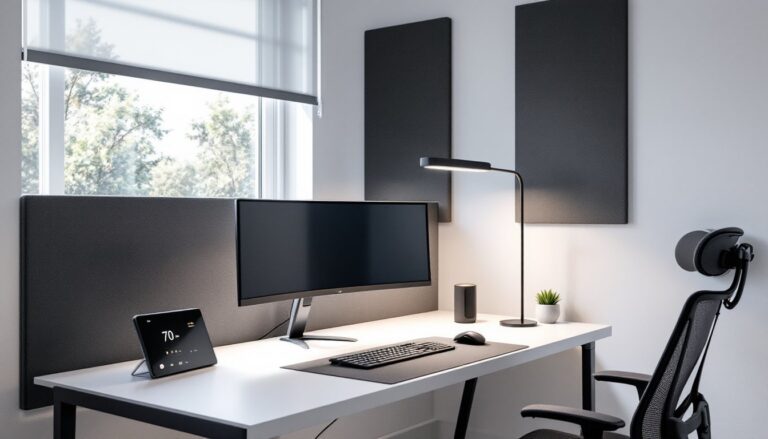
The right workspace layout makes chair yoga practical and sustainable. Start with the chair itself. It should have a stable base, ideally without wheels, or position it against a desk or wall to prevent rolling during stretches. The seat height should allow feet to rest flat on the floor with knees at a 90-degree angle, this foundational position supports most chair yoga poses.
Clearance matters. Ensure at least 3 feet of space on all sides of the chair for arm movements and side stretches. If the workspace is tight, consider repositioning the desk or chair during stretch breaks. Clutter on the floor, cables, boxes, bags, creates tripping hazards during transitions and limits movement range.
Monitor height directly impacts posture, which affects how effectively stretches counteract desk work. The top of the screen should sit at or slightly below eye level, about an arm’s length away. This prevents the forward head posture that chair yoga aims to correct. Many DIY furniture projects offer plans for monitor stands or adjustable desk platforms that improve ergonomics without expensive equipment.
Lighting influences both focus and willingness to take movement breaks. Natural light is ideal, but if that’s unavailable, position a task light to reduce screen glare and eye strain. Less eye strain means less unconscious leaning forward, which compounds neck and shoulder tension.
Temperature control sounds minor but affects muscle flexibility. Cold muscles don’t stretch as effectively and increase injury risk. Keep the workspace comfortably warm, especially during winter months. If heating is inconsistent, a small space heater positioned safely away from flammable materials can make stretching more comfortable and effective.
Finally, set visual or auditory reminders. Apps, timers, or even sticky notes on the monitor can prompt hourly stretch breaks. Consistency matters more than duration, five minutes every hour beats an occasional 30-minute session.
Building a Daily Office Chair Yoga Routine
A sustainable routine doesn’t require perfection, it requires repetition. Start with a morning sequence before settling into work. Spend five minutes performing neck rolls, shoulder shrugs, seated spinal twists, and ankle circles (rotating each ankle 10 times in both directions). This warms up the body and establishes a movement-first mindset for the day.
Schedule micro-breaks every 60-90 minutes. Set a timer if necessary. During these breaks, perform 2-3 poses targeting whatever feels tightest, typically the neck, shoulders, or lower back. The seated spinal twist and shoulder shrugs work well here because they’re quick and require no setup.
A midday reset around lunch provides a longer opportunity. Dedicate 10 minutes to a fuller sequence: seated cat-cow stretches (arching and rounding the spine while seated), side stretches (reaching one arm overhead and leaning to the opposite side), and hip openers (crossing one ankle over the opposite knee and gently pressing down on the raised knee). These movements counteract the cumulative stiffness from morning work.
End the workday with a wind-down sequence. Forward folds (hinging at the hips with a flat back and reaching toward the floor) release lower back tension. Wrist circles and finger stretches (spreading fingers wide, then making fists) address repetitive strain from typing. Close with deep breathing: inhale for four counts, hold for four, exhale for four, hold for four. Repeat five times. This signals the body that work mode is over.
Track progress informally. Notice whether afternoon energy slumps decrease, whether neck pain lessens, or whether focus improves. For product reviews and recommendations on ergonomic office gear, reliable testing and comparisons can guide equipment upgrades that complement a yoga routine.
Adapt the routine as needed. If mornings are rushed, shift the warm-up to mid-morning. If certain poses feel ineffective, swap them for variations that target the same muscle groups. The goal is consistency, not rigid adherence to a prescribed sequence.
Conclusion
Office chair yoga isn’t a substitute for regular exercise, but it’s a practical tool for managing the physical toll of desk work. The stretches take minutes, require no equipment beyond a sturdy chair, and deliver measurable relief from the stiffness and discomfort that define modern work life. Consistency turns these movements from occasional relief into a sustainable habit that protects long-term health and keeps productivity steady throughout the workday.