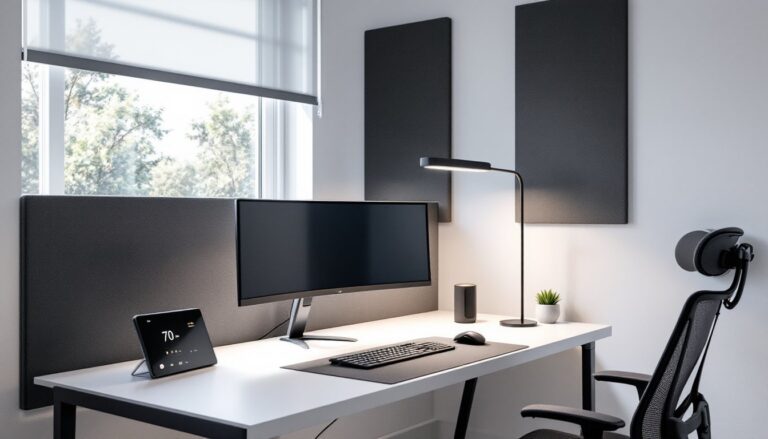

Choosing the right color scheme for an office can transform the workspace into a hub of creativity and productivity. Colors influence mood and motivation, making it essential to select shades that align with the company culture and the tasks at hand. From calming blues to energizing yellows, the right palette can enhance employee satisfaction and overall performance.
As organizations shift towards more flexible work environments, the importance of thoughtful design becomes even clearer. A well-planned color scheme not only reflects a brand’s identity but also fosters collaboration and innovation. This article explores various office color schemes that can inspire and invigorate, helping businesses create spaces where employees thrive.
Understanding Office Color Schemes
Understanding office color schemes involves recognizing how colors influence employee well-being and productivity. Each color evokes specific emotions and behaviors, making it crucial to select appropriate shades for workplace environments.
- Blue: Promotes calmness and concentration. Research shows that blue hues enhance focus and can lower anxiety levels.
- Green: Represents balance and nature. It can improve creativity and provide a refreshing backdrop for brainstorming sessions.
- Yellow: Energizes and stimulates innovation. Bright yellows can inspire optimism but should be used sparingly to avoid overwhelming spaces.
- Red: Evokes urgency and excitement. It’s effective in areas requiring energy, such as collaboration zones, but can be distracting in workspaces.
- Gray: Conveys neutrality and sophistication. While versatile, excessive gray can lead to feelings of dullness, so pair it with brighter accents.
- White: Symbolizes cleanliness and simplicity. It enhances light and space but may feel sterile without contrasting colors.
Incorporating colors into office design not only reflects company culture but also supports employees’ daily tasks. A thoughtful approach to color selection aligns spaces with specific functions, such as fostering collaboration or enhancing focus.
Importance of Color in Office Design

Color significantly influences office design, shaping employee experience and workplace dynamics. The right color scheme enhances employee satisfaction, creativity, and overall productivity.
Psychological Effects of Colors
Colors evoke specific emotional responses, affecting behavior and performance in the workplace.
- Blue promotes calmness, encouraging focus and reducing stress.
- Green enhances creativity, fostering a sense of balance and tranquility.
- Yellow stimulates innovation, inspiring a cheerful and energetic atmosphere.
- Red evokes a sense of urgency, driving motivation and alertness.
- Gray conveys neutrality, providing a balanced backdrop for various activities.
- White symbolizes cleanliness, creating a fresh and organized environment.
Understanding these effects helps in designing spaces that cater to specific tasks and enhance employee well-being.
Branding and Color Choices
Color choices in office design reflect and reinforce brand identity.
- Consistent palette: A cohesive color scheme aligns with brand values, ensuring familiarity and recognition.
- Emotional alignment: Colors should resonate with the company culture and mission, creating an inviting atmosphere for employees and clients.
- Target audience: The color scheme may target specific demographics, attracting clients through visual appeal.
Incorporating brand colors into the workspace adds character, strengthens brand presence, and fosters a sense of belonging among employees.
Popular Office Color Schemes
Selecting the right color scheme can significantly influence workplace dynamics. Two popular options include neutral tones and bold accent colors.
Neutral Tones
Neutral tones create a calming environment, ideal for focused work. Colors like beige, gray, and soft whites serve as an unobtrusive backdrop, allowing creativity to flourish without distraction. These colors foster a professional atmosphere while encouraging collaboration. Incorporating textures and materials, such as wood and fabric, enhances the warmth of neutral palettes, making spaces feel inviting. Neutral tones also pair well with vibrant decor, creating a balanced aesthetic that caters to diverse personalities.
Bold Accent Colors
Bold accent colors energize spaces and stimulate creativity. Options like bright red, vibrant yellow, or electric blue draw attention and inspire enthusiasm. Strategically using these colors in furniture, artwork, or feature walls can invigorate an otherwise neutral workspace. Accent colors encourage interaction and can demarcate specific areas, enhancing workflow. For example, a bright yellow meeting room can stimulate brainstorming sessions, while a red lounge area might evoke excitement and collaboration. Balancing bold colors with softer tones helps maintain a cohesive look while promoting a dynamic workplace.
Choosing the Right Color Scheme
Selecting an appropriate color scheme is essential for creating an effective office environment. It involves considering the specific needs of different workspaces and implementing strategies that align with organizational goals.
Considerations for Different Workspaces
- Collaborative areas: Use energizing colors like yellow and orange to foster creativity and teamwork. These tones encourage communication and interaction among team members.
- Quiet zones: Opt for calming blues and greens to promote focus and concentration. Such colors reduce distractions, enhancing productivity in spaces meant for individual work.
- Meeting rooms: Incorporate neutral tones like gray and beige as a foundation. These colors provide a balanced backdrop for discussions, making it easier to maintain attention on presentations while allowing for vibrant accents.
- Reception areas: Utilize inviting colors that resonate with brand identity. Warm hues, like soft oranges or welcoming greens, create a friendly atmosphere while reinforcing company values.
- Break rooms: Select cheerful, uplifting colors such as bright red or lively yellow. These hues create a lively environment for relaxation and socialization during breaks.
Tips for Implementation
- Assess lighting: Evaluate natural and artificial light sources, as they affect color perception. Colors may appear differently under various lighting conditions, so test samples before committing.
- Match with brand identity: Ensure color choices align with brand colors to maintain consistency. Strengthening visual identity in the workspace fosters recognition and support for the company’s mission.
- Use color psychology: Research emotional associations with colors when selecting schemes. Understanding how colors influence behavior aids in creating spaces conducive to specific tasks.
- Incorporate flexibility: Allow for changes in color schemes based on employee feedback or evolving company needs. Bright accent colors can be adjusted with minimal effort while retaining a core neutral palette.
- Balance functionality and aesthetics: Ensure that color choices enhance, rather than compromise, the functionality of workspaces. Consider practicality when selecting colors for furniture, walls, and accessories to support a harmonious environment.
Choosing the right office color scheme can transform a workspace into a dynamic environment that boosts productivity and enhances employee well-being. By understanding the emotional effects of colors and aligning them with company culture and tasks, businesses can create inviting spaces that encourage collaboration and creativity.
Incorporating brand colors not only reinforces identity but also fosters a sense of belonging among employees. With thoughtful design and strategic color choices, companies can inspire their teams and cultivate a positive atmosphere that drives success. A well-planned color palette is more than just aesthetics; it’s a vital component of an effective workplace.