Office side chairs don’t get the spotlight they deserve. While executive chairs get all the attention, the unsung hero sitting across from your desk, the side chair, handles clients, collaborators, and the occasional overstuffed project binder. These chairs take abuse from guests who don’t know (or care) how to adjust lumbar support, yet they’re expected to look professional and feel comfortable for meetings that stretch past their scheduled time. Picking the right office side chair isn’t about matching a Pinterest board. It’s about balancing durability, comfort, and style without blowing your budget on seating that won’t get daily use.
Table of Contents
ToggleKey Takeaways
- An office side chair should support 200+ pounds, offer adequate cushioning for 30-60 minute sits, and feature a stable frame without wobbling or creaking.
- Look for side chairs with contoured seat pans, lumbar support in the backrest curve, and seat depth of 16-18 inches to ensure comfort for various body types and meeting lengths.
- Invest in durable materials like solid hardwood frames, mortise-and-tenon joinery, and performance fabrics rated for 50,000+ double rubs to avoid costly replacements within three to five years.
- Commercial-grade office side chairs certified to BIFMA standards cost $50-100 more but withstand heavy traffic and rotational use far better than residential-grade alternatives.
- Maintain your side chairs by tightening hardware every six months, vacuuming monthly, conditioning leather biannually, and addressing minor tears or loose joints immediately to extend lifespan.
- Match side chairs to your office aesthetic through finish consistency rather than exact wood tones, use neutral colors to avoid dated looks, and ensure visual balance with your primary desk and workspace layout.
What Is an Office Side Chair and Why You Need One
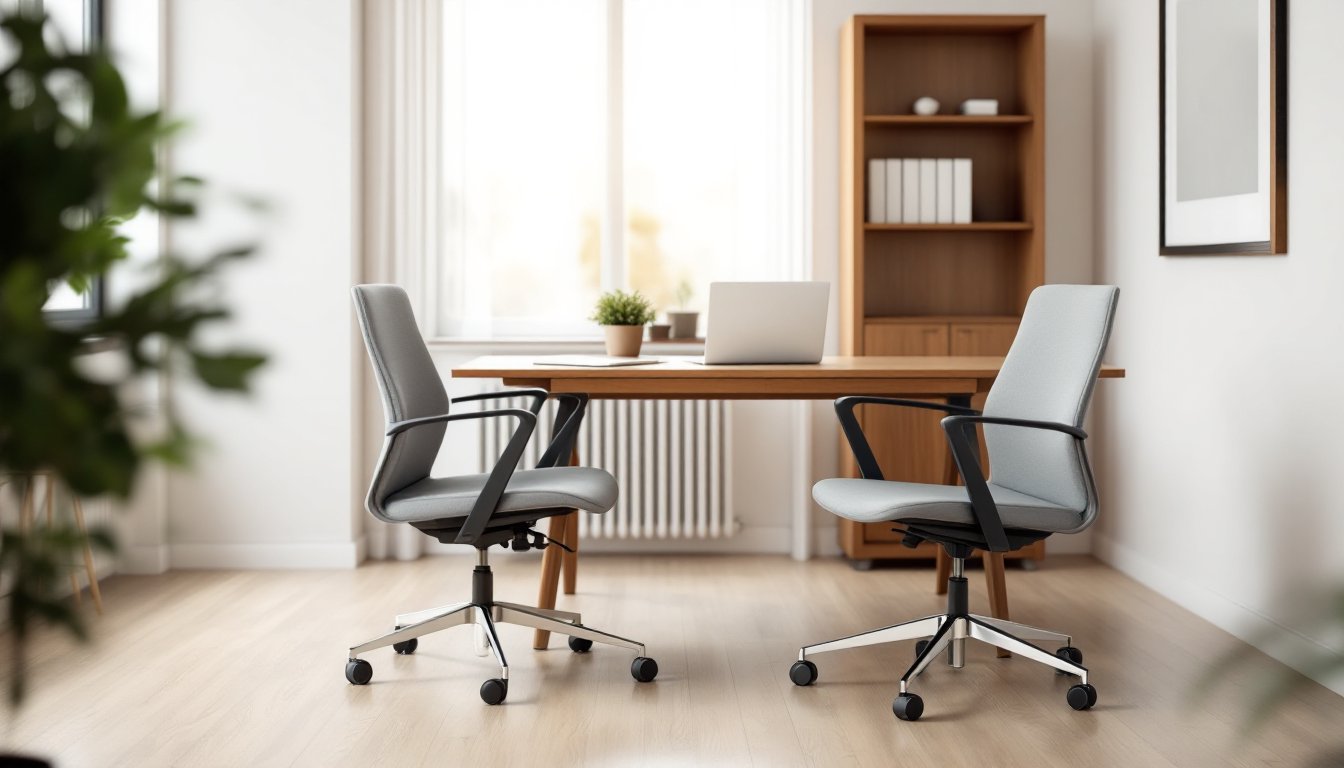
An office side chair is any seating placed in your workspace that isn’t your primary desk chair. These are the chairs positioned across from your desk, around a meeting table, or in a corner reading nook. Unlike task chairs with wheels and adjustable everything, side chairs typically feature a simpler design, four legs, a stationary frame, and minimal adjustments.
Why bother? Because not every chair needs pneumatic height adjustment and tilt tension controls. Side chairs fill specific roles: client meetings, temporary workstations for colleagues, extra seating during brainstorming sessions, or simply a place to toss your jacket that isn’t the floor. They also anchor a room’s design in ways rolling chairs can’t, they stay put, frame doorways and desks visually, and signal “this is a professional space” without trying too hard.
Functionality matters here. A wobbly side chair with a sagging seat sends the wrong message during client meetings. Same goes for one so stiff that visitors squirm after ten minutes. The right side chair should handle 200+ pounds without creaking, offer enough cushioning for a 30-60 minute sit, and look intentional rather than like a leftover from your college apartment.
Most home offices and small business spaces need at least two side chairs. One isn’t enough when you’ve got a couple visiting, and four starts eating floor space in rooms under 150 square feet. If you’re setting up a dedicated conference area, budget one side chair per person you expect to host regularly, plus one spare.
Key Features to Look for in an Office Side Chair
Not all side chairs are created equal. Here’s what separates the workhorses from the garage-sale rejects.
Comfort and Ergonomics
Ergonomics in a side chair won’t match a $600 task chair, but comfort still counts. Look for contoured seat pans, a slight waterfall edge at the front prevents pressure on the back of the thighs. Seat depth should measure 16-18 inches: anything shallower feels like a perch, anything deeper forces shorter users to choose between back support and dangling feet.
Lumbar support in side chairs is usually built into the backrest curve rather than adjustable pads. Run your hand along the back, there should be a gentle convex curve at the lower third, roughly 6-8 inches up from the seat. Flat backs force users to slouch or sit bolt upright with no middle ground.
Seat height matters more than most people realize. Standard side chair seat height runs 17-19 inches, which pairs well with standard desk height (29-30 inches). If your desk is a standing desk converter or custom-built at 32+ inches, look for chairs at the taller end of that range or consider a model with a low-profile stretcher bar that accommodates a footrest underneath.
Armrests are optional and situational. They add comfort for longer sits but eat 4-6 inches of width, which matters if you’re tucking chairs under a desk or squeezing them into a narrow office. Armless designs also slide under most desks and tables, a small detail that keeps walkways clear. When considering how seating fits into your broader office essentials setup, think about flow and clearance, not just aesthetics.
Build Quality and Durability
A side chair should survive five years of regular use without sagging, squeaking, or shedding hardware. Check the frame material first. Solid hardwood (maple, oak, beech) handles weight and abuse better than particleboard or MDF cores, though engineered wood works fine in budget-conscious builds if it’s reinforced at stress points. Metal frames, steel or aluminum, offer the best strength-to-weight ratio and often come powder-coated to resist scratches.
Joinery reveals a lot. Mortise-and-tenon joints, corner blocks, and metal brackets at leg-to-seat connections indicate a chair built to last. Stapled joints and bare butt joints won’t hold up. Flip the chair over and give it a shake, any wobble or creaking means poor construction or loose hardware. Quality chairs should feel solid, even before you sit.
Weight capacity usually isn’t advertised on side chairs, but it matters. Most residential-grade side chairs are tested to 250 pounds. Commercial-grade models hit 300-500 pounds, often certified to BIFMA (Business and Institutional Furniture Manufacturers Association) standards, which involve repeated stress tests and impact testing. If your office sees a lot of traffic, clients, rotating remote workers, or heavy-duty users, spend the extra $50-100 per chair for commercial-rated builds.
Upholstery attachment also signals quality. Double-stitched seams, reinforced piping, and staples placed every 1-2 inches (not just at corners) prevent fabric or leather from pulling loose. Removable seat cushions are a bonus, they simplify cleaning and allow for cushion replacement without tossing the whole chair.
Best Materials for Office Side Chairs
Material choice impacts durability, maintenance, and comfort. Here’s how common options stack up.
Upholstered fabric is the default for most office side chairs. Look for polyester blends with at least 50,000 double rubs (a wear-resistance metric), anything less pills and fades within two years. Performance fabrics like those used in commercial design projects often include stain-resistant treatments (Crypton, Sunbrella) that repel spills without feeling plasticky. Linen and cotton look great in design magazines but stain easily and require frequent spot cleaning. Avoid them unless the chair lives in a low-traffic, food-free zone.
Leather and faux leather bring a polished, professional look. Top-grain leather (the real deal) develops a patina and lasts decades with minimal care, wipe spills immediately and condition twice a year. Bonded leather (leather scraps glued to a fabric backing) flakes and peels within 3-5 years: it’s common in budget chairs but not worth the savings. Faux leather (polyurethane or PVC) has improved significantly, quality versions resist cracking and clean easily, though they don’t breathe as well as fabric. In hot climates or rooms without good airflow, faux leather can feel sticky.
Mesh backs are less common in side chairs but worth considering for spaces with limited AC. Mesh provides airflow and flexes slightly for comfort, though it doesn’t offer the same formal appearance as upholstery. Make sure the mesh is taut, saggy mesh means poor construction or a worn-out chair.
Wood and metal exposed frames add durability and style. Solid wood (walnut, oak, cherry) works in traditional and mid-century modern offices, though it’s heavier and pricier. Powder-coated steel or aluminum frames suit industrial or minimalist spaces, plus they’re easy to clean and nearly indestructible. The design world has long celebrated iconic chair frames for their blend of function and form.
Molded plastic (polypropylene) is the budget-friendly wildcard. It’s lightweight, stackable, easy to clean, and available in every color imaginable. The downside? Plastic chairs often lack cushioning, so comfort drops after 20-30 minutes. They’re great for short meetings, overflow seating, or spaces where you need to stash chairs when not in use.
How to Style Your Office Side Chair
Side chairs should complement your workspace without clashing or disappearing. Here’s how to get it right.
Match the vibe, not necessarily the wood. If your desk is walnut and your bookshelf is oak, your side chairs don’t have to split the difference. Instead, echo a finish or material, leather chairs pick up the warmth of wood tones, while metal-framed chairs pair with modern desks in laminate or glass.
Use color strategically. Neutral side chairs (black, gray, navy, tan) blend into almost any office and won’t look dated in five years. A bold accent color (burnt orange, teal, mustard) works if the rest of your space is understated, think one statement piece, not a rainbow. Patterned upholstery is high-risk: what looks fresh today often feels tired within a year. If you must pattern, keep it subtle (thin stripes, tonal textures).
Scale matters. Oversized wingback side chairs look ridiculous flanking a minimalist desk, and spindly mid-century legs feel out of place next to a chunky farmhouse table. Aim for visual balance, side chairs should be roughly two-thirds the visual weight of your desk or primary seating. In rooms under 120 square feet, armless chairs keep the space from feeling cramped.
Layer textures. Pairing a fabric side chair with a leather desk chair (or vice versa) adds depth without requiring a design degree. Same with mixing wood and metal finishes. The design principles that work in living rooms apply here: variety creates interest, but too much variety creates chaos.
Consider the sightline. Side chairs are often the first thing clients or video call participants see when they face your desk. Make sure they’re clean, free of clutter, and positioned intentionally. Tuck them at a slight angle rather than squared-off to the desk, it feels more inviting and less like an interrogation setup.
Maintenance Tips for Long-Lasting Performance
Side chairs take a beating in silence. A little upkeep goes a long way.
Tighten hardware every six months. Screws and bolts loosen with use, flip the chair over and hit every connection with the appropriate hex key or screwdriver. This five-minute task prevents wobbles and extends the chair’s life by years.
Vacuum upholstery monthly. Use the brush attachment to pull dust and crumbs from seams and crevices. For spills, blot immediately with a clean, damp cloth, don’t rub, which spreads stains and damages fibers. For deeper cleaning, check the manufacturer’s code: W (water-based cleaner), S (solvent-based cleaner), WS (either), or X (vacuum only, no water). When you’re evaluating durability across all your workspace furniture, remember that proactive cleaning beats reactive repairs.
Condition leather twice a year. Wipe down with a damp cloth, then apply a leather conditioner (not polish) with a soft cloth, working in small circles. Let it absorb for 10-15 minutes, then buff off excess. This prevents cracking and keeps the surface supple. For faux leather, skip the conditioner, just wipe with a damp cloth and mild soap.
Protect from sunlight. UV exposure fades fabric and dries out leather. If your side chairs sit near a window, use blinds or UV-filtering film during peak sun hours. Rotating chairs periodically also prevents uneven wear and fading.
Check casters and glides. If your side chairs have feet protectors or casters, inspect them for wear. Worn glides scratch floors: dirty casters drag and strain joints. Replace them as needed, most are universal fit and cost under $10 for a set.
Address damage early. A small tear in upholstery becomes a big tear fast. A loose leg becomes a broken joint. Fabric glue, wood glue, or a quick trip to an upholstery shop solves minor issues before they require a full replacement. Side chairs don’t demand the same attention as task chairs, but ignoring them completely means replacing them in three years instead of ten.