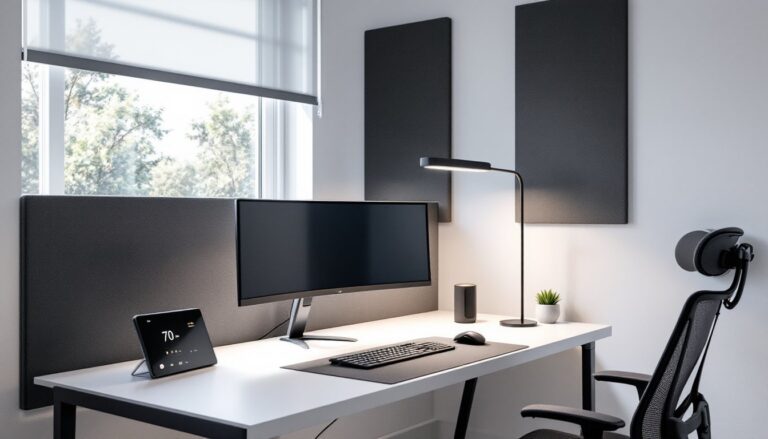
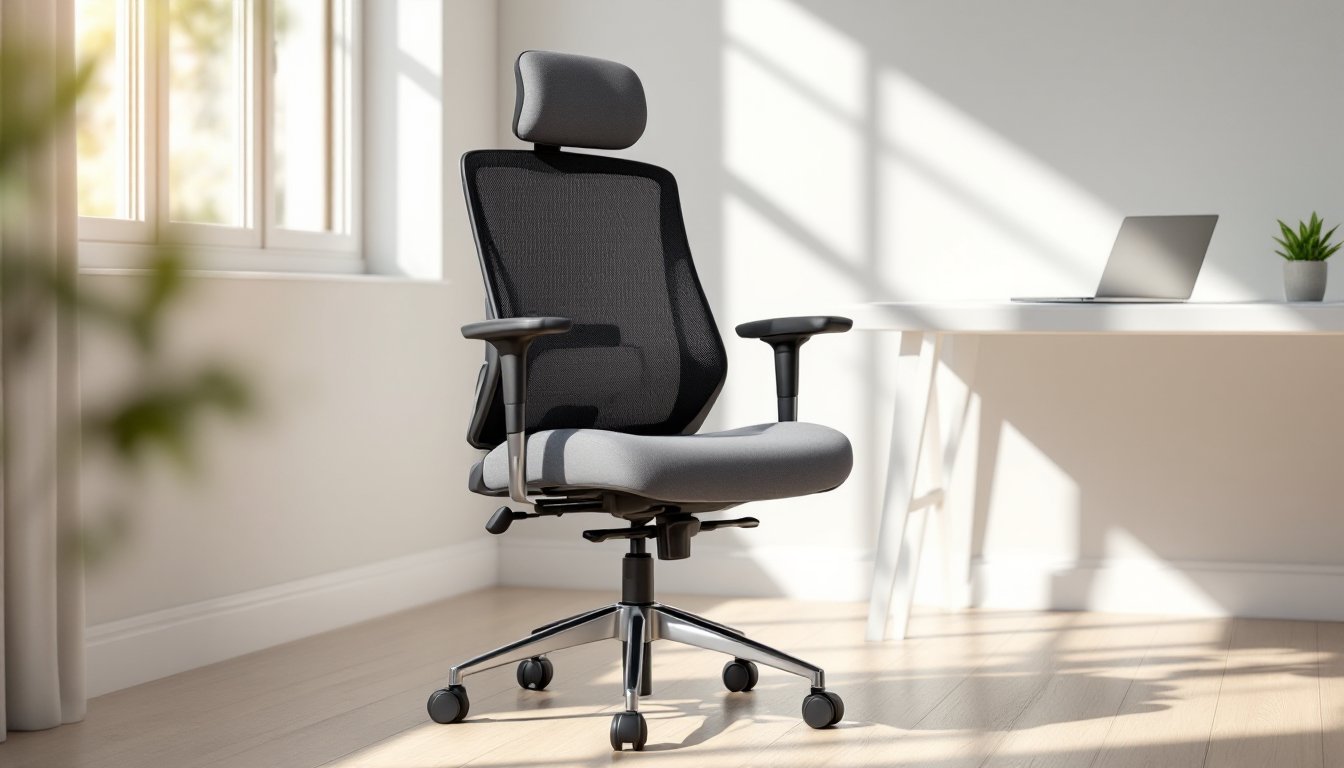
A padded office chair isn’t just furniture, it’s the foundation of a functional home workspace. Anyone who’s endured a full workday on a rigid dining chair knows the difference: stiff backs, numb legs, and zero focus by 3 PM. As remote work becomes permanent for millions, investing in proper seating isn’t optional anymore. The right chair supports posture during video calls, keeps circulation flowing during long research sessions, and doesn’t leave someone shifting position every fifteen minutes. This guide covers what separates a quality padded office chair from a short-term placeholder, focusing on materials, ergonomics, aesthetics, and maintenance, practical details that matter when spending 40+ hours a week at a desk.
Table of Contents
ToggleKey Takeaways
- A padded office chair with proper lumbar support and high-density foam prevents long-term back strain and improves productivity during extended work sessions.
- Quality padding materials, ergonomic design features like adjustable lumbar support and synchro-tilt mechanisms, and BIFMA-rated gas cylinders distinguish durable chairs from short-term placeholders.
- Choose upholstery based on climate and workspace aesthetics: mesh promotes airflow in warm environments, while leather or fabric suits different design styles and requires specific maintenance approaches.
- Regular maintenance including monthly vacuuming, tightening hardware, lubricating mechanisms, and replacing worn casters extends your padded office chair’s lifespan and prevents costly repairs.
- Invest in a chair that matches your body type, work style, and office space rather than defaulting to budget options, as ergonomic discomfort compounds into health issues and reduced focus over time.
Why a Padded Office Chair Is Essential for Your Home Workspace
Extended sitting creates real physical strain. Without proper cushioning, pressure concentrates on the sit bones (ischial tuberosities) and tailbone, restricting blood flow and causing discomfort within an hour or two. A well-padded chair distributes weight across a broader surface area, reducing pressure points and allowing longer periods of focused work.
But padding alone doesn’t solve ergonomic problems. A plush cushion on a poorly designed frame still leaves the spine unsupported and the pelvis tilted incorrectly. The combination of adequate padding and proper lumbar support keeps the natural S-curve of the spine intact, which prevents the lower back strain that plagues desk workers. According to occupational health standards, chairs used for prolonged sitting should maintain neutral posture without forcing the user to consciously correct their position every few minutes.
Productivity takes a measurable hit when discomfort creeps in. Studies on workplace ergonomics consistently show that employees with supportive seating report fewer breaks, better concentration, and reduced end-of-day fatigue. For home office setups, where there’s no HR department mandating ergonomic assessments, choosing the right chair falls entirely on the individual. Skimping here means paying later, either in chiropractor bills or in time lost to distractions and discomfort.
Padded office chairs also suit varied body types and work styles better than rigid alternatives. Someone reviewing spreadsheets for hours needs different support than someone hopping between standing desk sessions and seated work. Adjustable padding depth, seat tilt, and armrest height let users dial in their setup rather than adapting their body to the chair’s limitations.
Key Features to Look for in a Quality Padded Office Chair
Not all padding performs equally, and understanding the differences helps avoid buyer’s remorse six months in.
Cushioning Materials and Comfort Levels
Foam density determines how long a cushion holds its shape. High-density foam (1.8–2.5 lb/ft³) resists compression and maintains support over years of daily use. Cheaper chairs often use low-density foam that flattens within months, leaving users sitting on a fabric-covered platform. Cold cure foam and molded foam hold up better than basic polyurethane slabs, especially in the seat pan where weight concentrates most.
Memory foam conforms to body shape and relieves pressure, but it also retains heat. In warmer climates or poorly ventilated home offices, memory foam seats can become uncomfortably warm after a few hours. Gel-infused memory foam or ventilated designs help, but they add cost. For users who run hot, traditional high-density foam with a breathable cover often works better.
Mesh vs. padded backs is an ongoing debate. Mesh backrests promote airflow and prevent sweat buildup, which matters during summer months or in rooms without AC. Padded backs provide more cushioned contact but can trap heat. Some hybrid designs use mesh in the lumbar zone and padding higher up, balancing breathability with comfort. The choice depends on climate and personal preference, neither is objectively superior.
Seat depth and width affect how padding distributes weight. A seat pan that’s too shallow leaves the thighs unsupported: too deep, and it digs into the back of the knees, restricting circulation. Standard seat depths run 16–18 inches, but taller users (over 6 feet) often need 19–20 inches. Width should allow a couple inches of clearance on each side without pressing into the hips. Many comfortable office chairs now offer adjustable seat depth to accommodate different leg lengths.
Ergonomic Support Beyond the Padding
Padding handles immediate comfort, but ergonomic geometry prevents long-term injury. Lumbar support should match the natural inward curve of the lower spine, sitting roughly at belt level. Adjustable lumbar mechanisms let users move the support up, down, forward, or back to hit the right spot. Fixed lumbar curves only work if they happen to align with the user’s anatomy, otherwise, they’re useless or even counterproductive.
Seat tilt and recline let users shift positions throughout the day. A synchro-tilt mechanism moves the seat and backrest in a coordinated ratio (usually 2:1), keeping the feet planted while reclining. This prevents the awkward slide-forward that happens with basic recline mechanisms. Tension adjustment lets lighter or heavier users set the recline resistance so it doesn’t flop back or stay locked upright.
Armrests reduce shoulder and neck strain when positioned correctly. They should allow elbows to rest at a 90-degree angle while typing, with shoulders relaxed, not hunched up or stretched down. 4D armrests (adjustable in height, width, depth, and angle) offer the most flexibility, though 2D or 3D versions work for many users. Fixed armrests are a gamble unless the chair’s dimensions exactly match the user’s proportions.
Gas lift cylinders rated to BIFMA standards support up to 250–300 pounds depending on the model. Heavier users should confirm weight capacity before purchase, overloading a cylinder accelerates wear and creates a safety risk. Class 4 cylinders meet commercial-grade durability standards and last longer in home office use than basic Class 2 or 3 versions.
Top Styles of Padded Office Chairs for Different Home Office Aesthetics
Functionality matters most, but a chair that clashes with the room’s design gets replaced eventually, better to choose wisely upfront.
Executive chairs feature thick padding, tall backs, and often leather or faux-leather upholstery. They suit traditional home offices with wood desks, built-in bookshelves, and a more formal vibe. Real leather develops a patina over time and breathes better than vinyl, but it requires occasional conditioning to prevent cracking. Bonded leather looks similar initially but tends to flake after a couple years, full-grain or top-grain leather holds up far better if the budget allows.
Task chairs prioritize adjustability and ergonomics over visual heft. They’re lighter, more compact, and often use mesh or fabric upholstery. These fit modern or minimalist spaces, especially small home offices where a bulky executive chair overwhelms the room. Many modern interiors featured on sites like Design Milk incorporate streamlined task chairs that double as design elements rather than dominating the space.
Mid-century modern styles have surged in popularity, blending padded seats with wood or metal frames and tapered legs. They work in eclectic or retro-inspired spaces but sometimes sacrifice ergonomic adjustability for aesthetics. Look for versions with at least height adjustment and tilt, purely decorative chairs that don’t adjust become uncomfortable quickly. Some DIY enthusiasts even tackle chair makeovers to customize off-the-shelf models to better match their decor.
Gaming chairs offer heavy padding, bold colors, and racing-seat styling. They’ve crossed over into general home office use, especially for younger users or those who game and work from the same desk. The aggressive bolstering doesn’t suit everyone, some find it supportive, others feel trapped. If considering one, test the fit first: the side bolsters that cradle a 150-pound user might pinch a 220-pound user.
Fabric vs. upholstery material affects both look and maintenance. Breathable mesh suits warm climates and active users. Woven fabric (polyester blends, twill, or linen-look synthetics) offers mid-range breathability and hides stains better than solid colors. Leather and faux-leather clean easily but can feel sticky in summer. Small-space dwellers browsing ideas on Apartment Therapy often favor lighter fabric chairs that don’t visually weigh down compact rooms.
How to Maintain and Extend the Life of Your Padded Office Chair
A quality chair represents a real investment, regular upkeep keeps it functional and comfortable for years.
Vacuum upholstery monthly to remove dust, crumbs, and pet hair that work into fabric or mesh. Use an upholstery attachment with soft bristles to avoid snagging fabric. For mesh backs, a handheld vacuum or compressed air canister clears debris from the weave without damaging the material.
Spot-clean spills immediately before they set. Blot, don’t rub, with a clean cloth and mild detergent solution (a few drops of dish soap in water works). Test any cleaner on an inconspicuous spot first. Leather needs specific leather cleaner and conditioner: all-purpose sprays can dry it out or leave residue.
Tighten hardware every few months. Armrests, seat bases, and backrest mounts loosen over time from normal movement. A basic Allen wrench set and adjustable wrench handle most chair fasteners. Loose bolts accelerate wear on mounting points and create annoying squeaks.
Lubricate moving parts annually. The tilt mechanism, recline pivot points, and gas lift cylinder benefit from a light spray of silicone lubricant. Avoid oil-based lubricants that attract dust and gum up over time. Wipe away excess after application.
Replace worn casters before they damage flooring. Hard plastic wheels work on carpet: soft rubber or polyurethane wheels suit hardwood, tile, or laminate. Casters typically use a standard 7/16-inch or 11mm stem that pulls straight out and presses back in, no tools required. Mismatched or damaged wheels make the chair wobble and scrape floors.
Check gas cylinder function. If the seat sinks slowly or won’t hold height, the cylinder’s seal has failed. Replacement cylinders cost $20–$40 and install with a rubber mallet and pipe wrench. Some cylinders use a taper-lock connection that requires more force to separate, watch a tutorial first if unfamiliar with the process.
Rotate or flip seat cushions if removable. This distributes compression wear more evenly. Not all chair cushions detach, but those with zippered covers often do.
Avoid overloading armrests and backrests. Leaning hard on armrests when standing up or hanging bags on the backrest stresses mounting points beyond their design load. These actions bend brackets and crack plastic components that aren’t meant to bear full body weight at odd angles.
Proper care keeps foam resilient, mechanisms smooth, and upholstery intact. Neglect turns a $300 chair into a $50 experience within a year.
Conclusion
Choosing a padded office chair means balancing immediate comfort with long-term ergonomics, aesthetics with functionality, and upfront cost with durability. Focus on foam density, adjustable support, and build quality rather than flashy features that don’t improve daily use. Maintain it properly, and a well-chosen chair supports productive work for years without the constant position-shifting or afternoon backaches that come with cheap seating. The right chair isn’t an expense, it’s an investment in focused, pain-free work.